Natural Stone Care in Villas and Holiday Homes: Protecting Stone by the Sea
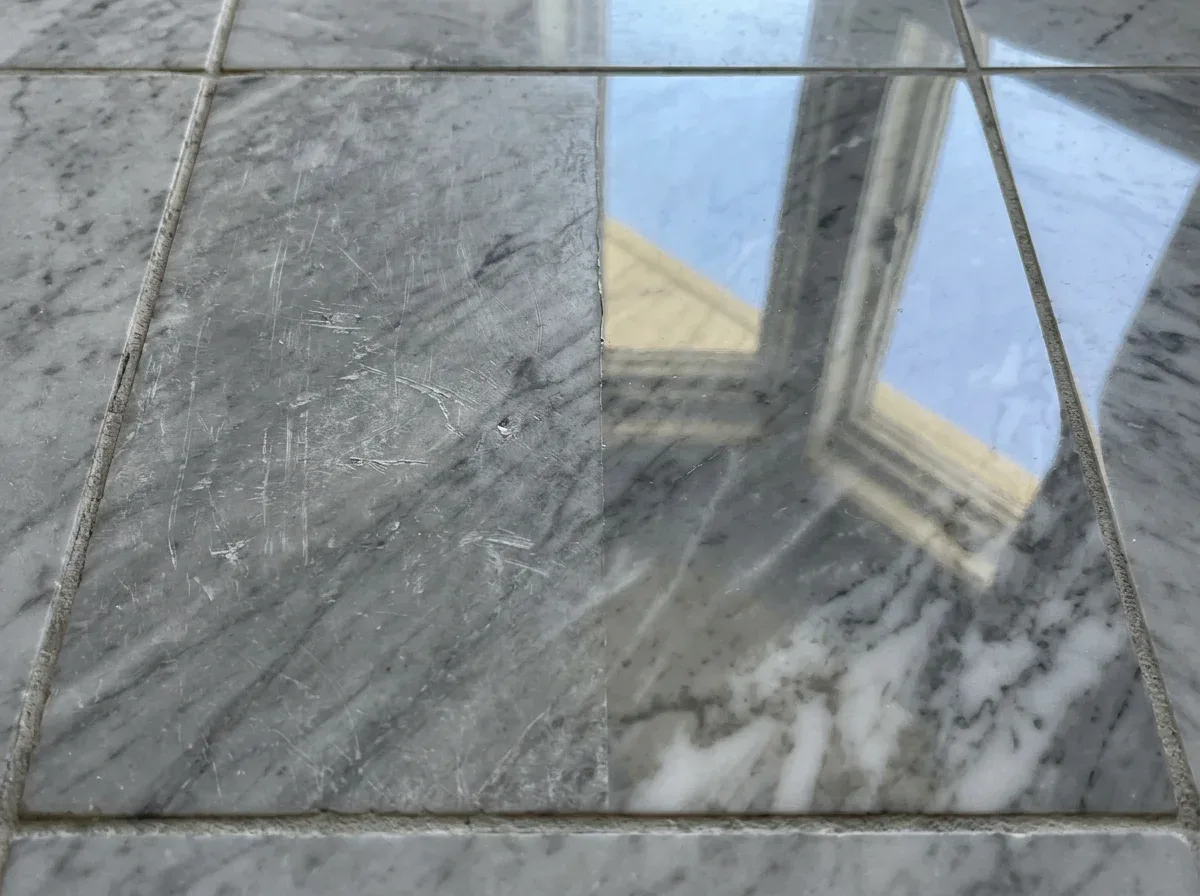
In Alanya, the floor of a villa or summer home carries a crowded family, guests, beach sand, and pool water for part of the year, then waits for months in a house with locked doors and drawn curtains for the rest. For natural stone, these two extremes mean a much harder life than regular use in the city. That is why it is no surprise when, at the end of a summer, a dull strip appears along the walking path on the living room marble, the holes in the travertine by the pool open up and darken, or lime rings show up on the bathroom stone. The good news: the problems of stone in a summer home are largely known in advance, and most of them can be prevented with the right habits.
In short: Stone in a summer home has two enemies: sand and sun in the summer months, and moisture and stale air in the winter months. A two-layer doormat at the entrance, daily dry sweeping, acid-free cleaning, rinsing the pool edge with fresh water, and a short check when opening and closing the season will extend the interval between polishing sessions by years.
Why Does Stone Wear Out Faster in a Summer Home?
In a city apartment, the floor is used at a similar pace every day. In a summer home, usage fluctuates: from June to September the house is crowded, people walk in and out with wet feet, sand is carried in on shoes, and the terrace doors stay open all day. With October the house closes; the curtains come down, the air conditioning and ventilation stop, and the air inside does not move.
During these two periods, the stone faces two different problems:
- Sand in summer: Most beach sand is quartz and is clearly harder than marble. Every grain underfoot works like sandpaper. Dulling starts first at the doorways, the terrace exits, and the path to the kitchen.
- Sun in summer: Stone on the terrace and in the garden heats up during the day and cools at night. This expansion and contraction causes cracks and loss of filler in weak joints.
- Moisture in winter: Moisture condensing in a closed house leaves mold in bathroom corners, limescale on the shower floor, and efflorescence on exterior walls.
- Neglect in winter: A floor left with sand, oil, or sunscreen on it at the end of summer can turn into a stain while it waits for months.
| Season | Factor wearing down the stone | Most affected area | Preventive habit |
|---|---|---|---|
| Summer | Beach sand | Entrance, hallway, terrace exit | Double doormat, daily dry sweeping |
| Summer | Sun and temperature variation | Terrace, stairs, garden path | Joint check, suitable impregnation |
| Summer | Pool water, chlorine | Poolside, shower area | Weekly fresh water rinse |
| Summer | Sunscreen, oils | Around sun loungers, bathroom | Wipe immediately, pH-neutral cleaning |
| Winter | Moisture and condensation | Bathroom, kitchen, basement | Drying at closing, periodic ventilation |
| Winter | Algae and salt | Outdoor stone | Washing with a soft brush at opening |
What to Watch for, Area by Area
Entrance and living room
Villa living rooms are usually laid with large marble or travertine floors, and this is the first place guests see. The most effective measure in this area is to stop the sand at the door.
- Place two mats at every exterior door: a hard mat outside to catch coarse sand, and a soft mat inside to pick up fine dust.
- Throughout the summer, sweep the floor every day with a dry mop or a soft-headed broom; always wet-mop only after the sand has been removed.
- Stick felt pads on furniture legs and renew the pads on frequently moved dining chairs at the start of each season.
- Put a non-slip but breathable underlay beneath rugs; plastic underlays can trap moisture and leave marks on the stone.
Bathroom and shower
Summer home bathrooms are used very intensively in a short time. Sunscreen, oily body products, and Alanya's hard water leave stains and white rings on marble.
- After a shower, dry the marble wall and floor with a squeegee. Most limescale marks come from drying water drops.
- Do not use acidic products sold as limescale removers or "bathroom polish" on marble; they leave dull marks within minutes.
- If darkening has started in the joints, wiping only the surface is not enough; protection is provided by joint renewal followed by impregnation.
Kitchen and open kitchen counter
In summer, the kitchen is the center of lemon drinks, tomato salads, and fried food. On marble countertops and floors, acidic drops and oil are the most common problem. Using a wipeable mat for cutting boards, coasters, and around the stove noticeably reduces the marks that build up on the counter by the end of the season.
Terrace, garden, and poolside
Travertine, granite, or antiqued marble is generally used outdoors. These surfaces are in direct contact with sun, rain, salty air, and pool water.
- As pool water evaporates on the stone, it leaves limescale and salt. Rinsing the pool edge with fresh water once a week slows this buildup.
- Always put a saucer and feet under plant pots; water collecting under pots causes rust, algae, and permanent ring stains.
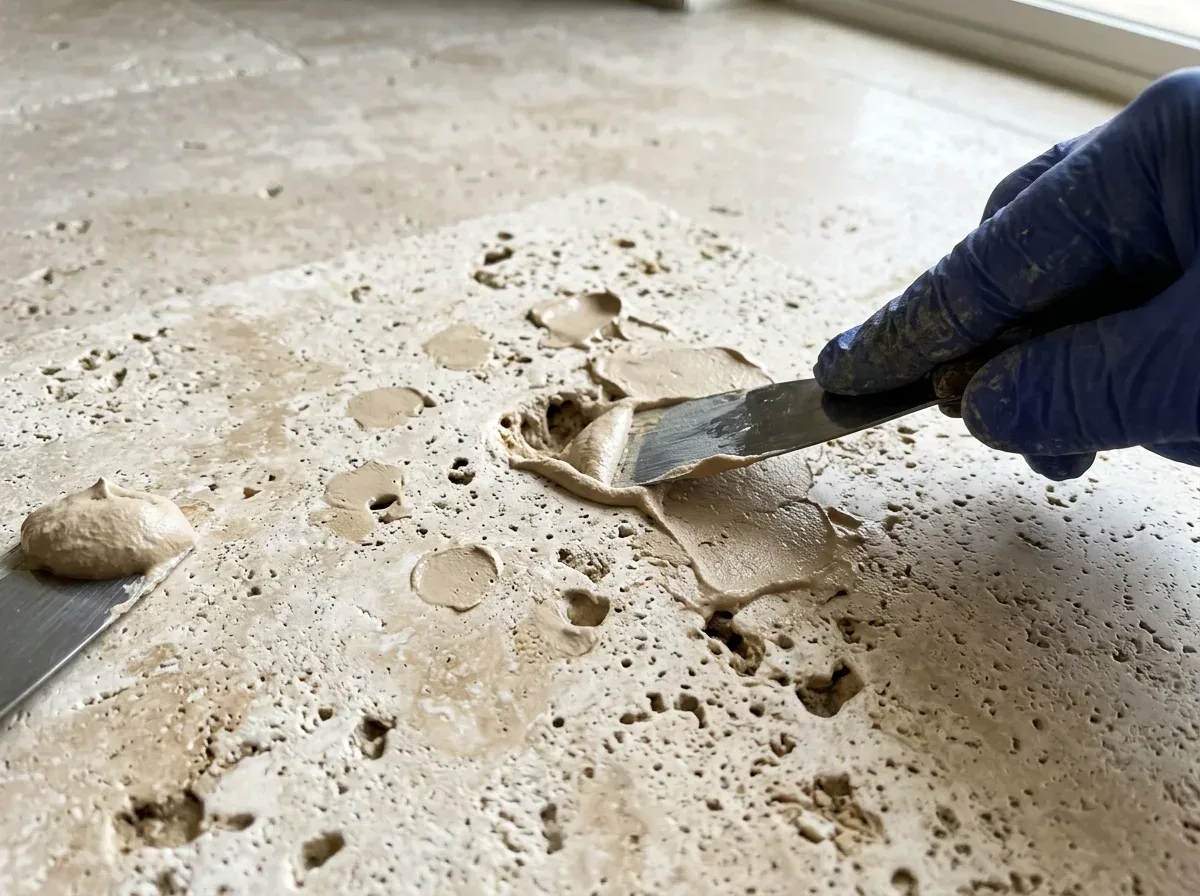
- If holes have opened in the travertine, they should be refilled. Open holes collect dirt, break at the edges, and are uncomfortable to walk on barefoot.
- A polished surface becomes slippery at the poolside. Outdoor stone should be left honed, brushed, or antiqued.
Season Opening and Closing: A Year-Round Plan
Most holiday home owners open the house in spring and close it in autumn. These two moments are the best times to check the condition of the stone and fix small problems before they grow.

What to do at opening
- Dry cleaning first: Dust that has built up over the winter can turn into mud with the first wet wipe and scratch the floor. Sweep first, then wipe.
- Check for limescale and mold spots: If there are stains on bathroom corners, shower floors or kitchen backsplash stones, deal with them before the season starts.
- Wash the outdoor areas: For algae and salt marks, use an acid-free stone cleaner and a soft brush. Do not aim high-pressure water directly at the joints.
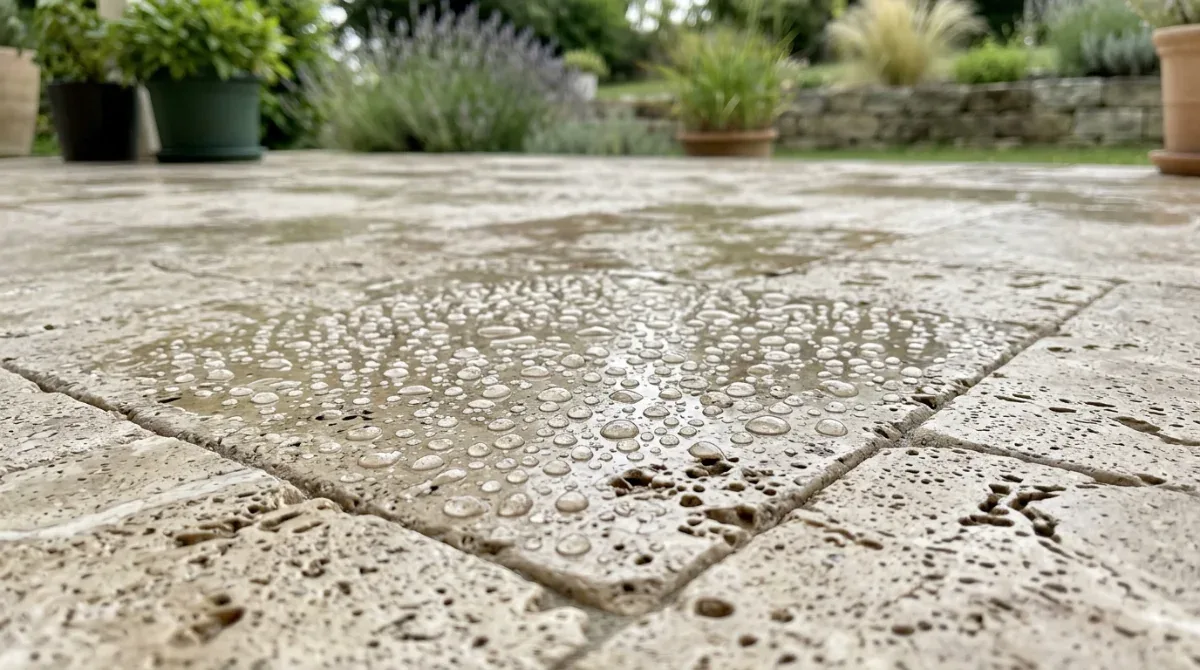
- Do the drop test: Put a few drops of water on the stone. If the water is absorbed within a few minutes and the stone darkens, the protection has weakened.
What to do at closing
- Clean and dry the floor thoroughly; a floor with sand and grease left on it can turn into stains over the winter.
- Take up the rugs, or roll them up and store them somewhere ventilated.
- Make sure no water is left in the bathroom and kitchen; check the drains and the shower floor.
- Having the house opened and aired at regular intervals over the winter reduces condensation and mold.
What You Can Do Yourself and What Needs an Expert
Most holiday home maintenance consists of simple habits that the homeowner or caretaker can handle. But some problems require special machinery, diamond abrasives and experience.
| Task | You can do it yourself | Expert needed |
|---|---|---|
| Daily sweeping and damp cleaning | Yes | – |
| Rinsing the pool edge with fresh water | Yes | – |
| Drop test | Yes | – |
| Light limescale marks | With a product suited to the stone | Yes, if deep |
| Dullness along the walking path | No | Honing and polishing |
| Open holes in travertine | No | Filling and honing |
| Darkened joints | Partly | Joint renewal |
| Slippery pool deck | No | Honing or brushing |
| Renewing the protection | Depending on the product | Choosing the right impregnator |
When Is Professional Support Needed?
Daily care extends the life of the shine but does not turn back time. If you notice any of the following, it makes sense to arrange an inspection before the season starts:
- If there is a clearly visible dull strip against the light along the walking path in the living room.
- If scratches have formed that catch your fingernail, or height differences between slabs that catch your foot.
- If holes have opened up in the travertine and the edges have started to chip.
- If limescale and acid marks in the bathroom do not come off with wiping.
- If the stone around the pool has become slippery, or conversely rough and darkened.
The best time for honing in holiday homes is spring and autumn, when it can be done while the house is empty. During these periods the work schedule is relaxed, the homeowner does not need to be at home, and there is enough time for the fillers and protection to dry.
Travertine Around the Pool

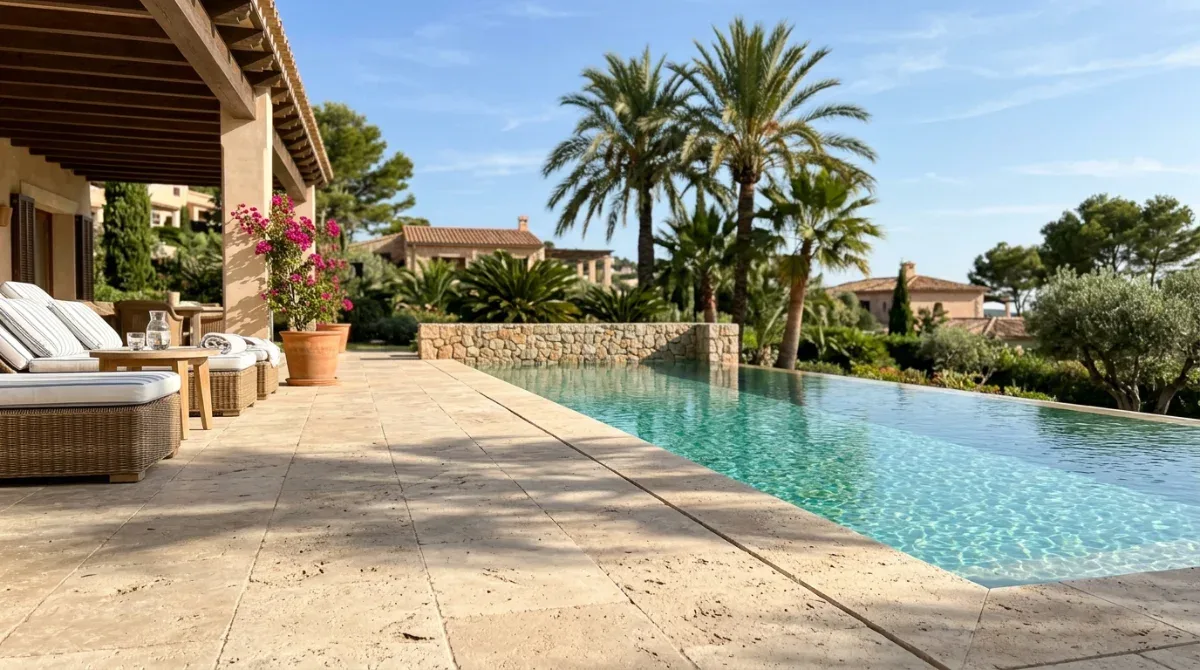
In Alanya villas, the pool deck is almost always travertine. The stone stays cool and looks natural, but its porous structure draws in pool water, sunscreen and dust. As the pores open up, the stone collects dirt, the edges chip and the surface darkens.
When restoring a pool deck, we first fill the open pores, then hone the surface to a non-slip texture and apply a water-resistant protective treatment. This way the stone looks both safe and clean.
Honing While the Home Is Empty

The great advantage of holiday homes is that they stay empty for months. For honing, there is no need to move furniture, have the family live in another room, or squeeze the job into a weekend.
If the owner is abroad, we collect the key, report on the work with photos, and hand over the floor clean and protected before the season opens.
Protection Against Salty Air

By the sea, it is not only water that enters the pores of stone, but salt as well. When the salt dries and crystallizes, a white layer forms on the surface, and over time the stone begins to flake.
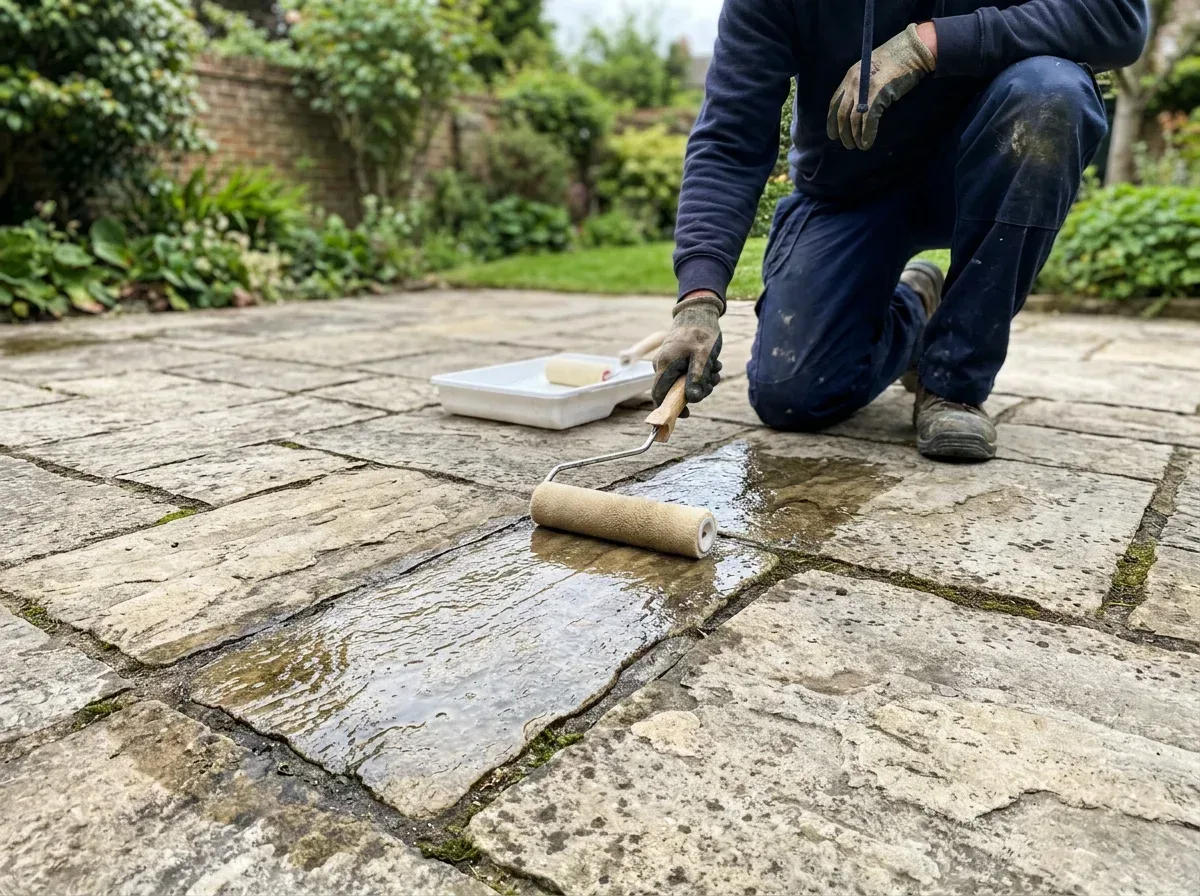
Choosing a suitable breathable impregnating sealer, either water-based or solvent-based, for outdoor stone slows this cycle. We recommend checking the condition of the protection every season with a water drop test.
Travertine Polishing in a Villa Project
The sentence we tell holiday home owners most often is this: an hour of cleaning before closing up the house saves you a full day of polishing next spring. A floor left with sand and cream on it turns into stains over the winter. — Expert Note
Frequently Asked Questions About Stone Care in Holiday Homes
01When is the best time for marble polishing and cleaning in a holiday home?
02Why does the travertine around the pool get darker?
03Can I have the poolside polished?
04Can the work be done while I am abroad?
05Can mold grow on the stone in a closed house?
06Does beach sand really scratch marble?
07How often should the impregnation be renewed?
Related Articles
Seasonal Floor Care Calendar for Summer Homes in Alanya: Closing and Opening the Season, Renewing Travertine Pool Surrounds and Improving Slip Resistance, The Effect of Pool Water and Chlorine on Natural Stone, Beach Sand and Shoes: The Duo That Quietly Wears Down Stone Floors, Floor Care Guide for Foreign Investors and Holiday Home Owners