Open Parking Lot and Concrete Courtyard Restoration
In short: Unlike indoor car parks, open-air car parks and concrete courtyards are directly exposed to sun, rain, wind-blown sand and, in Alanya, sea air.
That is why the restoration approach is different too: the goal is not shine, but a clean appearance, durability and, above all, slip resistance when wet.
What Damages Outdoor Concrete?
Concrete in open areas does not deteriorate for a single reason, but from the wear created by sun, water, sand and ground movement acting together.
- Sun and temperature variation: Concrete that heats up during the day and cools at night expands and contracts; over time, this repeated movement creates fine cracks and joint openings.
- Rain and standing water: In areas with poor drainage slope, rainwater cannot run off and collects; in these constantly wet spots, dirt and algae multiply quickly.
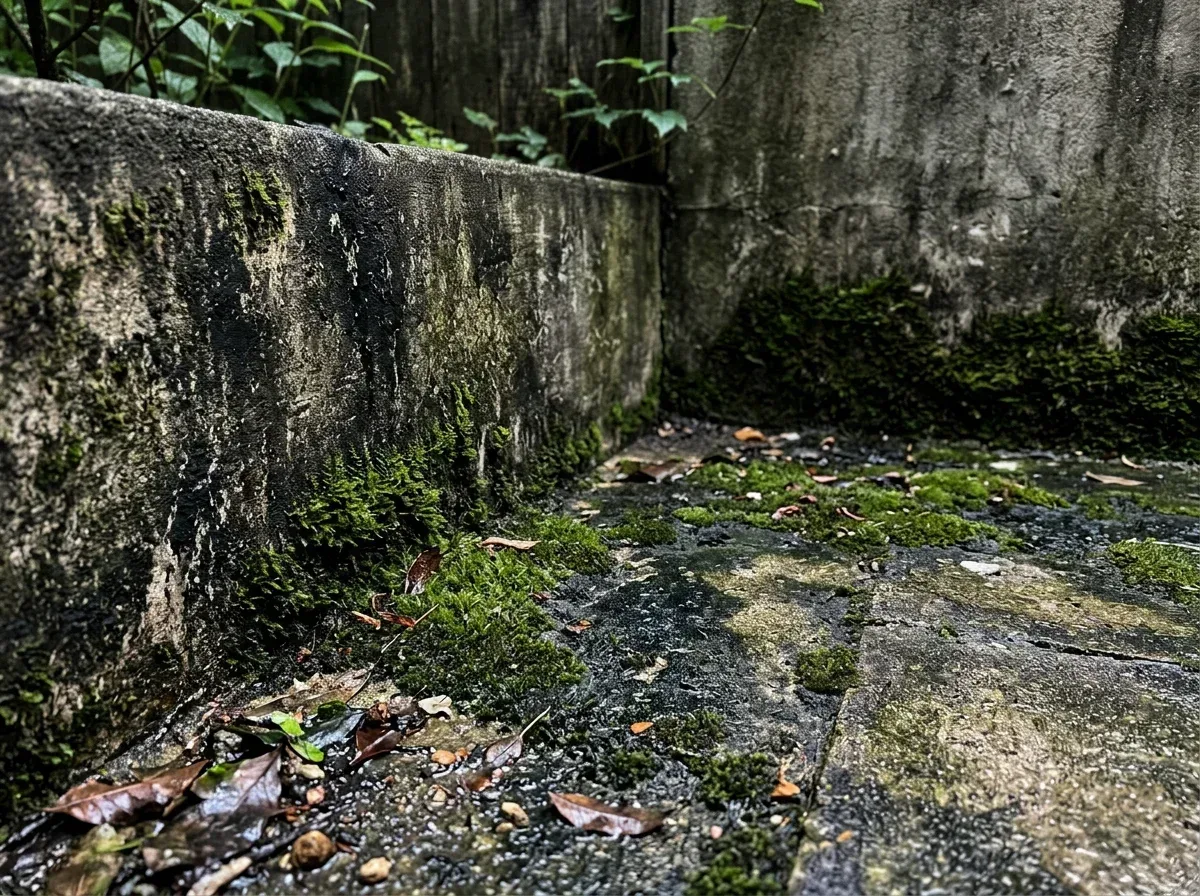
- Algae and black stains: In damp areas that stay in the shade and dry late, algae take hold, the concrete darkens and the surface becomes noticeably slippery when wet.
- Sand and dust: Sand carried by the wind and on shoes rubs against the surface under vehicle tires and foot traffic, gradually abrading the concrete and increasing dusting.
- Tire and oil marks: In parking spaces, oil dripping from vehicles seeps into the pores of the concrete and tires leave black marks when turning; these do not come out with normal washing.
- Roots and ground settlement: As tree roots grow, they push the concrete up from underneath, and weak ground settles; as a result, the surface lifts, sinks or cracks along its entire length.

Restoration Steps
1. Assessment
Cracks, broken edges, areas where water collects, algae-covered areas and old coatings are identified.
2. Deep Cleaning
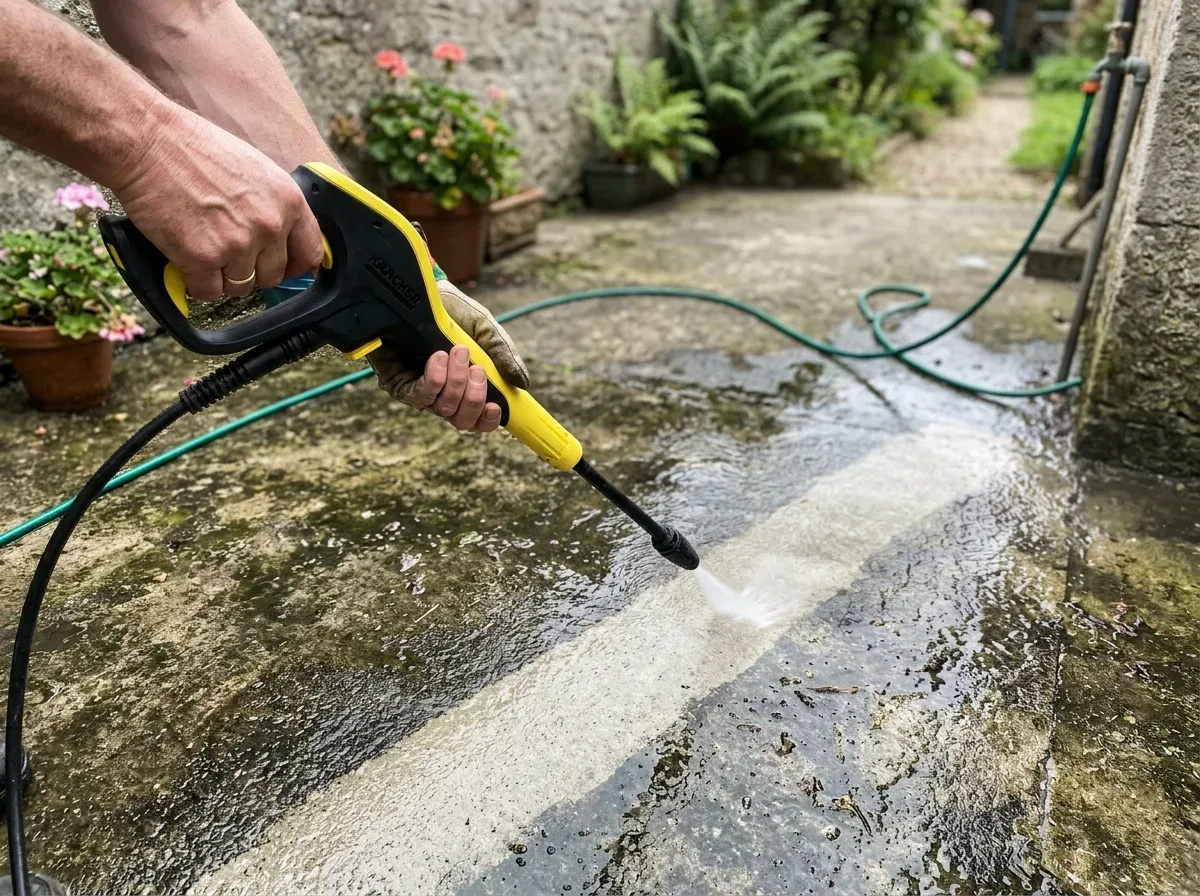
Outdoor concrete is first deep-cleaned with controlled pressurized water and cleaners suitable for concrete. Suitable products for algae and black stains are applied locally, left to act for a while and then scrubbed. Oil and tire marks are treated separately. The pressure must be set so that it does not abrade the surface or empty the joints. The cleaning water and chemicals must be directed so that they do not flow into the garden or the storm drains.
3. Repair
After cleaning, and before moving on to grinding and protection, cracks, breakages and joint defects in the surface must be fixed.
- Repair of cracks and broken edges: Cracks and broken edges are filled with suitable materials that are durable outdoors; this way water cannot seep in and the damage does not grow.
- Renewing the joints: Emptied or crumbled joints are cleaned and refilled; a sound joint prevents water from getting under the concrete and the edges from breaking.
- Structural correction: Serious settlement and root uplift cannot be solved by surface repair; in this case, a separate structural correction is planned for the ground and the concrete.
4. Surface Leveling by Grinding
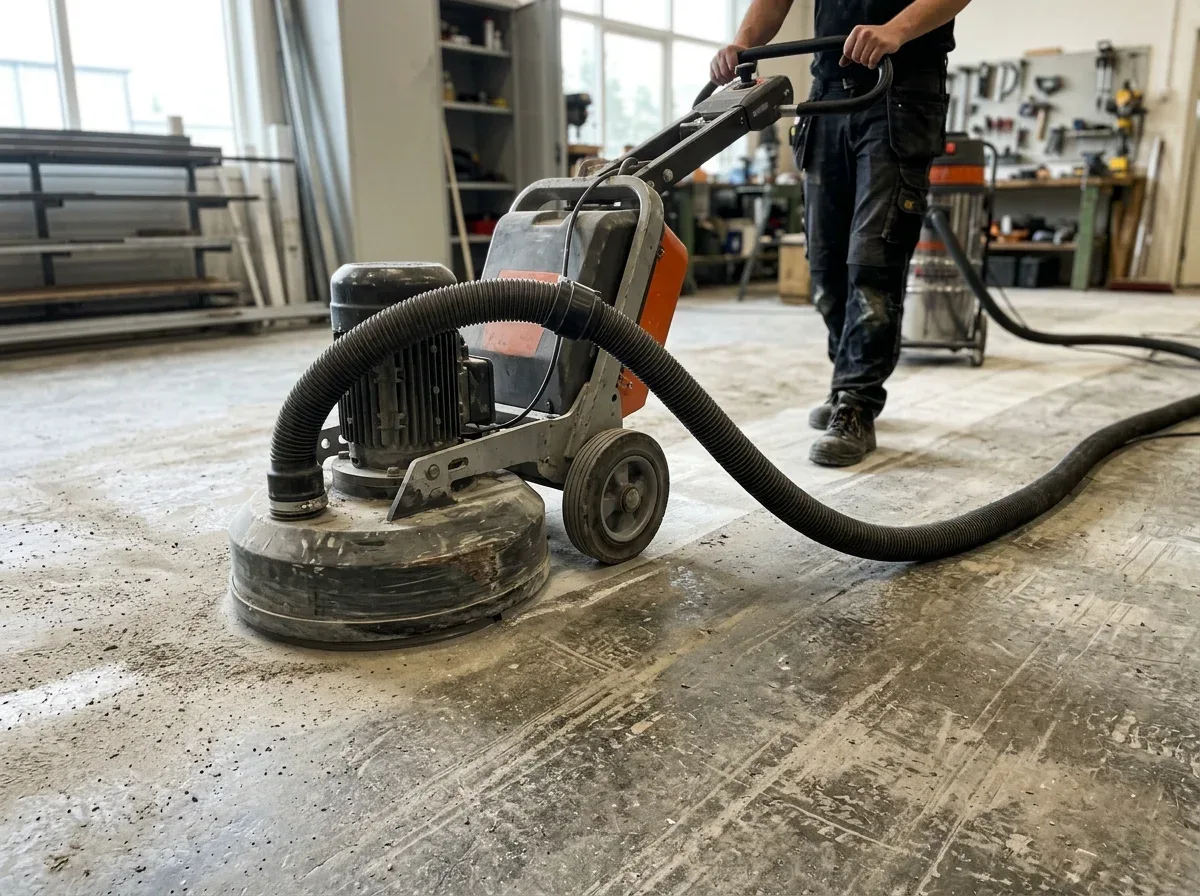
Rough, uneven or displaced surfaces can be corrected with coarse grinding. Outdoors, the surface is left rough; a polished shine creates slipperiness in the rain.
5. Protection
Protective products suitable for outdoor use, which are breathable and do not impair slip resistance, reduce the surface's absorption of water and stains.
Slip Resistance
On outdoor concrete, the priority is not shine, but a surface that can be walked on safely in the rain and in morning dampness.
- Risk areas: Walkways, entrances and ramps are both the most used and the wettest places; the risk of slipping is highest here.
- Avoiding slippery treatments: Glossy or film-forming treatments make the surface slippery when wet; that is why a rough surface and a protective product that does not impair slip resistance are preferred outdoors.
- Proper water drainage: If water does not run off quickly, even the roughest surface becomes slippery with a thin layer of water and algae; that is why drains and slopes are checked.
Difference Between Indoor and Outdoor Areas
| Indoor car park | Outdoor car park / courtyard | |
|---|---|---|
| Target surface | Smooth, glossy if desired | Rough, slip-resistant |
| Main problem | Dust, tire marks | Sun, water, algae |
| Maintenance | Sweeping, washing | Washing, algae check, drainage |
Maintenance Schedule
The life of open concrete areas depends not only on major works but also on small maintenance tasks carried out at regular intervals.
- Monthly: Sweeping, removal of leaves and soil, and a check of the drains are carried out, so that sand does not abrade the surface and water flows away without pooling.
- Seasonal: Pressure washing and cleaning of areas with moss are carried out; shaded areas in particular are gone over before and after the rainy season.
- Once a year: Joints and cracks are inspected and the sealer is tested with a drop test; if the water is absorbed immediately, it shows that the sealer's effectiveness has declined.
- Every few years: If necessary, the sealer is renewed and local repairs are made; when small defects are corrected in time, the need for a major renovation is postponed.
Shaded Areas
The parts of open courtyards and car parks that lie under trees or in the shade of buildings stay wet much longer than the parts that receive sunlight. In these areas, moss and black stains return quickly. Cleaning alone is not enough to solve this; drainage must be improved, leaf buildup prevented, and the amount of water entering the concrete reduced with a suitable sealer. If possible, anti-moss maintenance should be applied to these areas at regular intervals.
Open Concrete Areas in Alanya
In Alanya, villa courtyards, roads within housing complexes, and open car parks face intense sun in summer and heavy rainfall that sets in quickly in winter. Sea salt in the air and sand carried from the coast also wear down the surface. In these areas, we carry out deep cleaning, crack and joint repair, surface leveling with rough grinding when necessary, and apply a sealer suitable for outdoor use; we always treat slip resistance as a priority.
Maintenance

- Pressure washing at the start of the season,
- Algae control in shaded areas,
- Quick treatment of oil stains,
- Cleaning of drains,
- Repairing cracks before they grow.
Our Concrete Grinding Service in Alanya

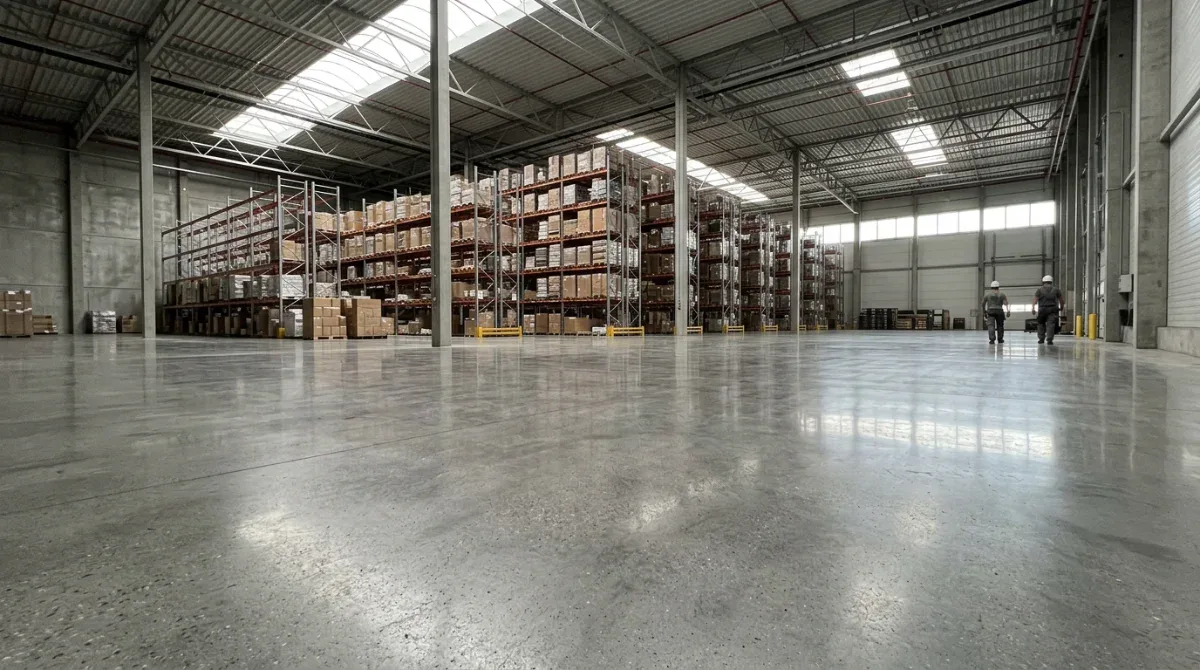
We grind concrete floors in warehouses, factories, car parks, shops and homes, then strengthen them with a hardener to create a dust-free surface that is easy to clean. Depending on the look you want, we apply a matte, satin or glossy finish.
We inspect the age and condition of your floor on site and decide on the right method together. Explore our Concrete Grinding service.
Dirt, algae, and stains are removed with pressurized water and suitable cleaners. Sometimes this step alone noticeably improves the appearance of the floor. — Expert Note