Questions to Ask When Choosing a Honing Company
In short: Honing (grinding) is a job whose result stays visible on the floor for years.
A poorly done honing job can leave wavy surfaces, a cloudy shine, or opened-up pores, and fixing it is laborious. In this article, we have listed the questions you can ask when talking to a honing company and what to look for in the answers.
Survey and Inspection
"Will you give a price without seeing the floor on site?"
An approximate idea can be given from photos, but an on-site inspection is needed for a firm quote. A company that gives a fixed figure without seeing the floor may add surprise charges during the job.
"How do you assess the stone type and the problems of the floor?"
A good survey covers the stone type, scratch depth, level differences, hollow tiles, moisture, and stains.
"Can you do a small test area?"
A test area is the most reliable way to see the expected result.

Scope of Work
"Which grit stage will you start from and which will you finish at?"
This question shows whether the company has truly assessed the floor. The answer should be justified by the condition of the floor: starting from a coarse grit on a slightly dull surface means unnecessary material loss, while settling for a fine grit on a floor with level differences spoils the result.
"Are repairs included in the price?"
Cracks, breaks, pore filling, hollow tiles, and grout work should be clearly stated in writing.
"How will edges, corners, and steps be finished?"
Edges looking the same as the central area is an important indicator of workmanship.
"Will crystallization or impregnation be applied, and with which product?"
The type of product and the reason it was chosen should be explainable.
Method and Equipment
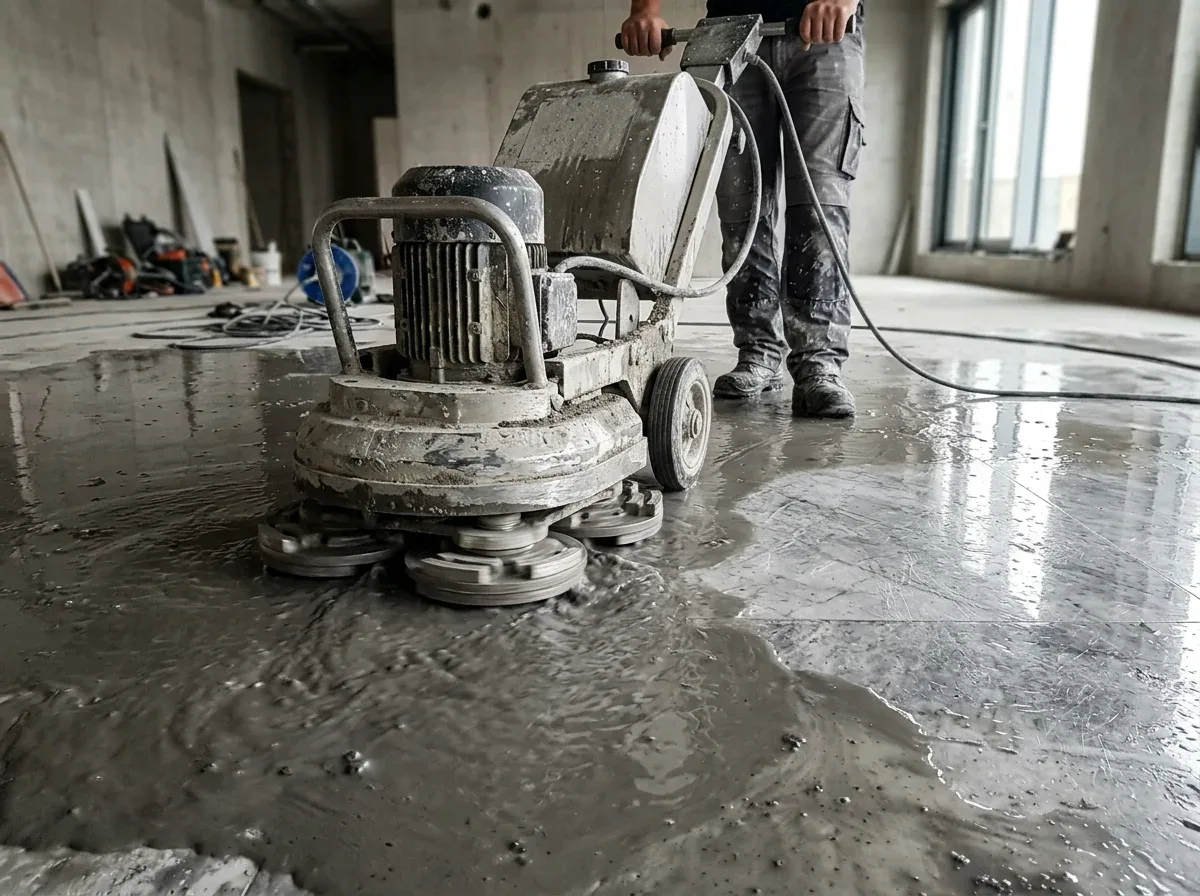
"Will you work wet or dry? How will dust and slurry be managed?"
Ask about the plan for environmental protection, slurry collection, and cleaning.
"Which machines do you use?"
The machine used should suit the size of the area and the stone.
"How will you protect furniture and the surroundings?"
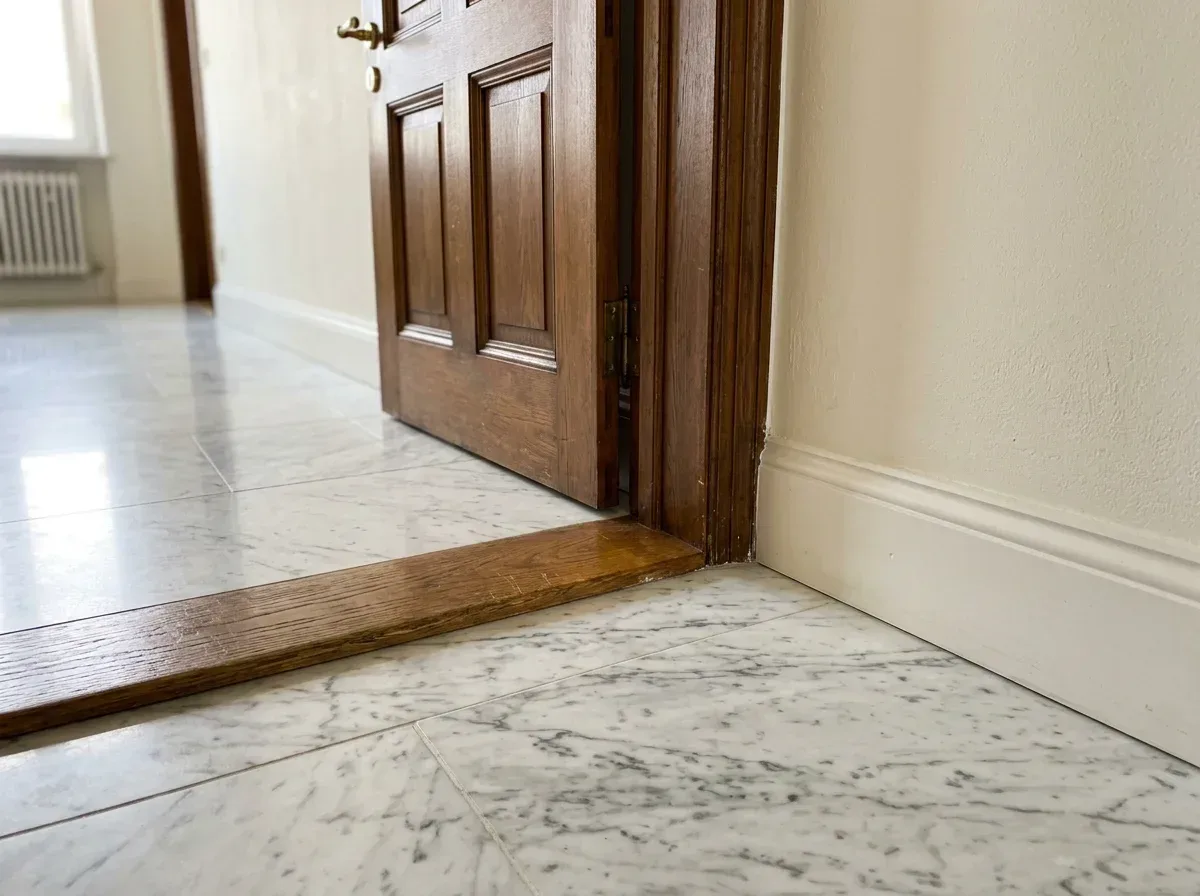
The protection of wooden skirting boards, parquet transitions, cabinets, and sockets should be discussed.
Duration and Planning
"How many days will the job take, and during which hours will you work?"
Working hours are important in apartment buildings and workplaces.
"Will it be done while we are living in the home, and who will move the furniture?"
This should be made clear in the quote.
Experience
"Can you show examples of similar jobs?"
Before-and-after photos, and if possible, examples on a similar stone type.
"Do you have experience with this type of stone?"
Granite, travertine, and concrete each require different expertise.
After the Job
"What should I pay attention to after honing?"
A good company gives clear recommendations for the first days and for daily maintenance.
"What do you do if a minor problem comes up?"
The approach to post-job communication and corrections should be discussed.
Quote Comparison Table
| To check | Why does it matter? |
|---|---|
| Was an on-site survey done? | Prevents surprise extra charges |
| Are the starting and finishing grit stages in writing? | Shows the depth of the work to be done |
| Are repairs itemized separately? | Explains the reason for price differences |
| Is the impregnation / crystallization product specified? | Determines the quality of protection |
| Are the duration and working hours clear? | Allows you to plan ahead |
| Are cleaning and environmental protection included? | No extra work after the job |
Understanding Price Differences
There can be big differences between quotes for the same floor. The reason for this is most often the number of grit stages, the scope of repairs, the impregnation used, and the quality of workmanship. One quote may include only polishing, while another may start from coarse honing and also cover hollow tile and grout repair. For this reason, quotes should be compared not just by the total figure but by the work they include. A very low price usually means skipped stages or missing repairs.
Short Checklist
When choosing a company, the real goal is to compare quotes on the same scope and see the outcome before the work begins.
- Get a quote with a site inspection: Get on-site quotes with an inspection from at least two or three companies; figures given without seeing the floor may change with add-ons during the job.
- Ask for a test area: If possible, ask for a test area; polishing a small section shows whether the shine and appearance you expect can be achieved on that stone.
- Get the quote itemized: Get the quote in writing and itemized; when the grit stages, repairs, and impregnation are listed separately, it is clear what each quote covers.
- See sample work: Look at before-and-after photos of a similar job; examples on the same type of stone as your floor, preferably, better show the company's experience.
- Clarify payment and delivery: Clarify the payment and delivery terms; if when the job will be finished and at which stage payment is due are written down from the start, there will be no disputes.
Working With Us in Alanya
When we come for an inspection in Alanya, we show you on site your floor's stone type, its problems, and the necessary stages, and we can do a small test area if you wish. In our quote we write out each step separately and state the products we will use and the duration. After the job is finished, we also leave our maintenance recommendations in writing and remain available for any questions that may come up afterwards.
Warning Signs

Certain quotes and recommendations show from the start that the work will be done carelessly or that the floor will be damaged.
- A very low price without seeing the floor: A firm, very low price given without inspecting the floor on site usually means that steps will be skipped or that extra charges will appear.
- A quote that doesn't spell out the scope: If a quote doesn't state which operations will be performed, repairs, grout filling or impregnation may later become an extra charge.
- The same treatment for every floor: Marble, granite, travertine and concrete each behave differently; recommending a single treatment without looking at the floor means not knowing the stone.
- Suggesting acid to remove limescale: Along with the limescale, acid also burns the surface of marble and travertine, leaving dull marks and wear behind.
- Passing off polish as honing/grinding: Polish or varnish applied to the surface scratches, yellows and peels over time; real grinding and polishing brings out the shine of the stone itself.
- Being unable to show example work: If a company cannot provide photos or addresses of previous jobs, there is no way to test its experience.
Our Marble Grinding Service in Alanya

We restore marble floors that have become dull, scratched, or developed height differences (lippage) between slabs, using wet grinding that keeps dust under control. We choose every stage, from coarse grinding to polishing, according to the type of stone, and if needed we repair cracks and joints as part of the same job.
We inspect your floor on site and tell you clearly whether it needs grinding or just polishing. Learn more about our Marble Grinding service.
The answer should depend on the condition of the floor. An approach of "the same treatment for every floor" calls for caution. — Expert Note