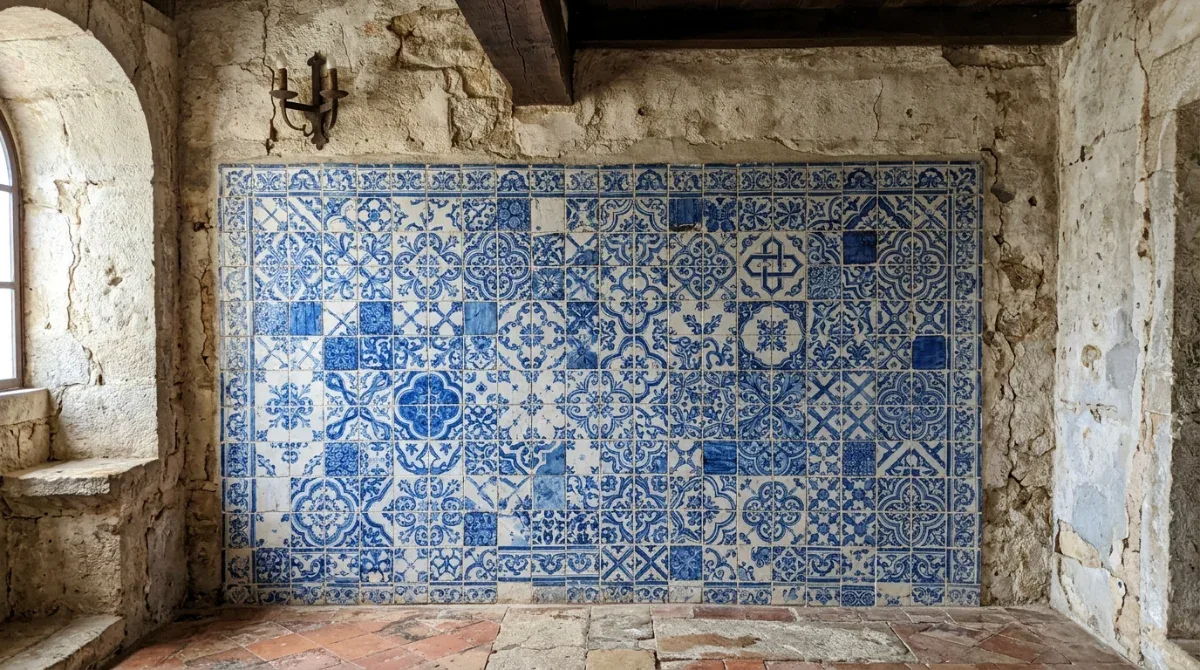
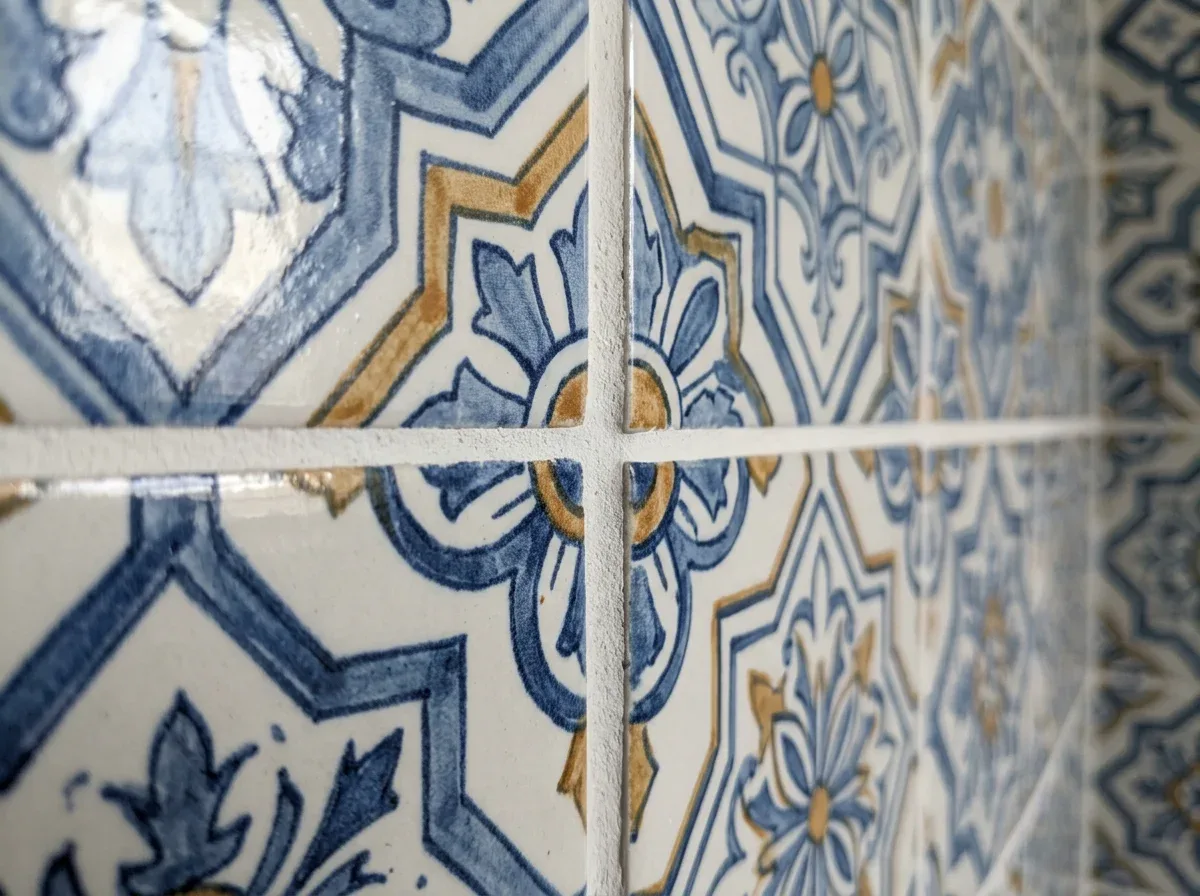
What Is Karo Siman (Cement Tile)? Maintenance and Restoration
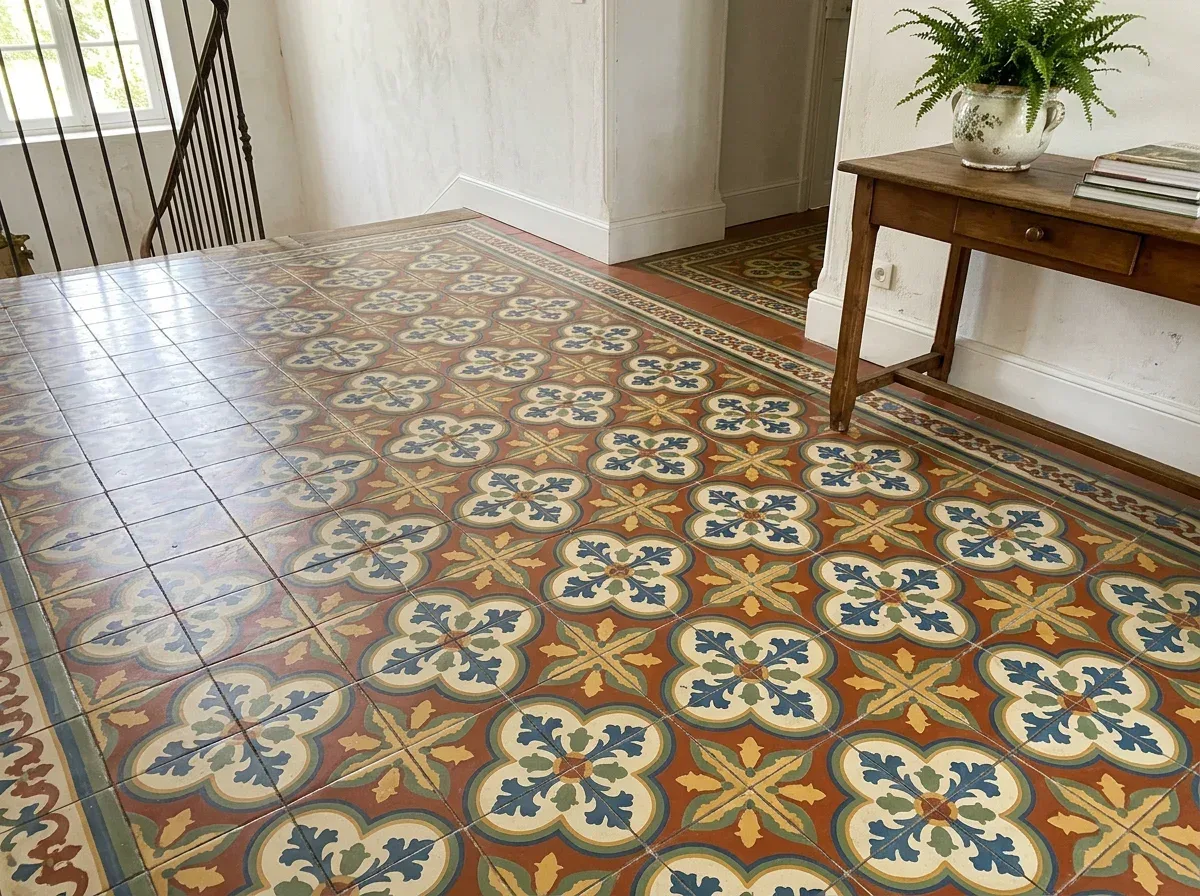
In short: The patterned, colorful tiles found on the floors of old houses, mansions and some hotels are most often encaustic cement tiles (cement tiles).
Produced by pressing rather than firing, these tiles are a floor material that is both nostalgic and fashionable again. In this article we explain the properties and care of cement tiles.
How Are Cement Tiles Made?
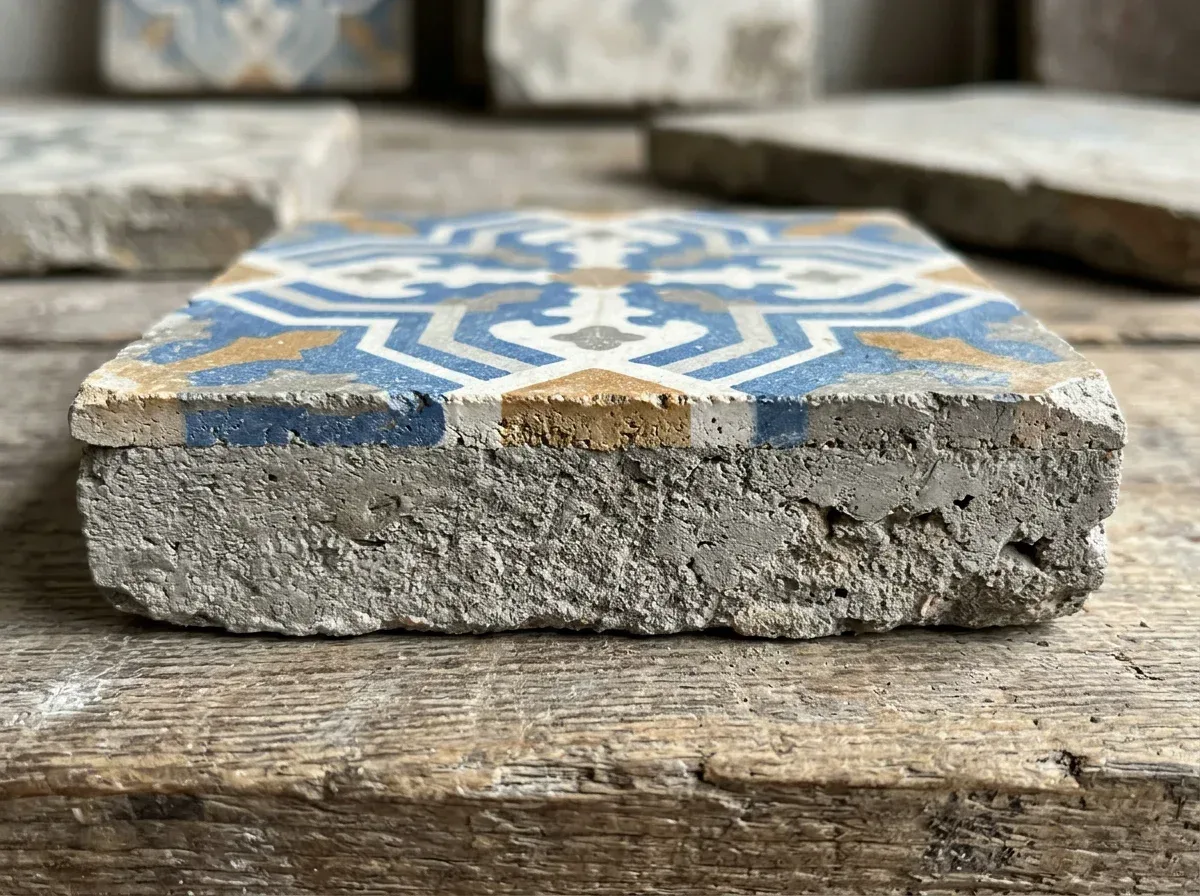
Colored cement mixtures are poured into a mold to form the pattern, the back is filled with cement, then pressed and cured. They are not fired. The pattern extends only a few millimeters deep into the surface.
Properties
The unfired, cement-based structure of cement tile sets it apart from natural stone and determines every step of its care, from cleaning to sanding.
- Porous: Because it is not fired, its surface is open-pored; it readily absorbs water, oil and colored liquids and stains quickly when unprotected.
- Sensitive to acid: Because it is cement-based, acidic products etch the surface and fade the colors; for this reason vinegar and limescale removers are not used.
- Limited pattern depth: The pattern exists only in the top few millimeters of the surface; with too much sanding, the pattern thins or may disappear completely.
- Develops a patina over time: With use, a soft sheen forms on the surface; this patina is part of the tile's character and it is preferable not to sand it away.

Common Problems
Most problems on cement tile floors stem from the porous structure, the wrong care products and years of use.
- Dirt buildup and faded color: Dirt that works into the pores and the effect of acidic cleaners dull the colors; over time the pattern begins to look gray and matte.
- Oil and water stains: Unprotected tile quickly absorbs spilled oil and water; dark, permanent-looking stains form, especially in kitchens and entrance areas.
- Buildup of old polish and varnish: Layers of polish and varnish applied over the years yellow and trap dirt, leaving a cloudy, sticky film over the pattern.
- Broken and cracked tiles: Impact, settling or voids underneath cause tiles to break; broken pieces are replaced with the same pattern where possible.
- Grout deterioration: Worn and hollowed grout lines trap dirt, leave the edges of the tiles unprotected and allow water to seep underneath.
Cleaning
In cleaning cement tiles, the goal is to remove dirt without wearing down the colors and the pattern layer, and to strip old layers of polish when necessary.
- pH-neutral cleaners: Neutral cleaners dissolve dirt without etching the cement-based surface and do not cause the colors to fade.
- Soft brush: A soft brush removes dirt lodged in the pores and pattern recesses without scratching the surface.
- Avoiding acidic and abrasive products: Acidic products fade the colors, while abrasive creams and powders thin the delicate pattern layer a little more with every cleaning.
- Removing old polish: Old polish layers are removed with suitable strippers; this reveals the true color of the pattern beneath and allows the impregnator to penetrate the surface.
Sanding: Careful and Limited
Cement tile cannot be sanded as deeply as marble. Because the pattern layer is thin:
- Only fine grits: On cement tile, only light surface renewal with fine grit stages is done, so very little material is removed from the pattern layer.
- The aim is to revive the pattern: The aim is to revive the pattern and color and soften scratches; a flat, mirror-like surface as on marble is not the goal.
- Coarse sanding can destroy the pattern: Removing level differences with coarse sanding can destroy the pattern; therefore old floors with uneven levels need careful assessment.
Impregnation
Because cement tile is porous, impregnation is the most important part of its care. After cleaning and light surface renewal, once the tiles are completely dry, a breathable impregnator suitable for cement-based surfaces is applied. Impregnation reduces the absorption of water, oil and dirt, keeping the colors vivid for a long time. If desired, protectors that give a slightly silky look can also be used; however, products that form a thick, glossy film yellow over time and make the floor slippery.
Differences Between Cement Tile and Other Floors
| Feature | Cement tile | Terrazzo tile | Glazed ceramic |
|---|---|---|---|
| Production | Pressed colored cement | Stone chips and cement | Fired, glazed |
| Pattern | A few mm deep | Full thickness | On the surface, in the glaze |
| Sanding | Light only | Can be deeply sanded | Cannot be sanded |
| Acid sensitivity | High | High | Low |
| Impregnation | Required | Recommended | Not required |
Restoring Old Cement Tiles
Cement tiles found under carpet or other coverings in old houses can often be saved. First, adhesive and old polish residues are carefully removed with suitable strippers, followed by a deep cleaning. Broken tiles are replaced with new ones in the same pattern where possible; some classic patterns are still produced today. Light surface renewal and impregnation bring the colors of the tiles back to life. To see how much of the pattern layer remains, it is important to test a small area first.
Daily Care
With the right products and a few habits, the colors of cement tile can stay vivid for many years of daily use.
- Dry sweeping and damp mopping: Dry sweeping and damp mopping are enough for daily care; too much water can seep into the pores and cause stain and grout problems.
- Use a pH-neutral cleaner: Acidic products such as vinegar and limescale remover wear down the surface and fade the colors, so only neutral cleaners should be used.
- Wipe up spills right away: Porous tile quickly absorbs spilled liquid; a spill wiped up immediately is removed from the surface without leaving a stain.
- Put felt pads on furniture legs: Felt prevents chair and table legs from scratching the surface and wearing down the thin pattern layer through friction.
- Check the impregnation: If a drop of water placed on the surface darkens and is absorbed within a short time, the protection has weakened; this is monitored regularly with the drop test.
Cement Tile in Alanya
In Alanya's old houses, in the historic buildings in and around Kaleiçi, and more recently in boutique hotels and cafés, we come across cement tile floors. On these floors, our priority is to preserve the pattern; instead of deep sanding, we revive the colors of the tiles with cleaning, removal of old polish, light surface renewal and impregnation.
Broken Tiles

It is not always possible to find new tiles in the same pattern to replace broken or missing ones. Sometimes tiles taken from another room are used, or a similar pattern is ordered.
Our Tile and Cement Tile Care Service in Alanya

On patterned tile and cement tile floors, we use cleaning and restoration methods chosen for each surface, with preserving the pattern as the priority. We clean the grout lines and protect the surface against stains with a suitable sealer.
On patterned floors, we first test which treatment is safe on a small area. Explore our Tile Polishing service.
Impregnating sealer must always be applied after cleaning or surface restoration; terrazzo tile is highly porous and stains quickly if left unprotected. — Expert Note