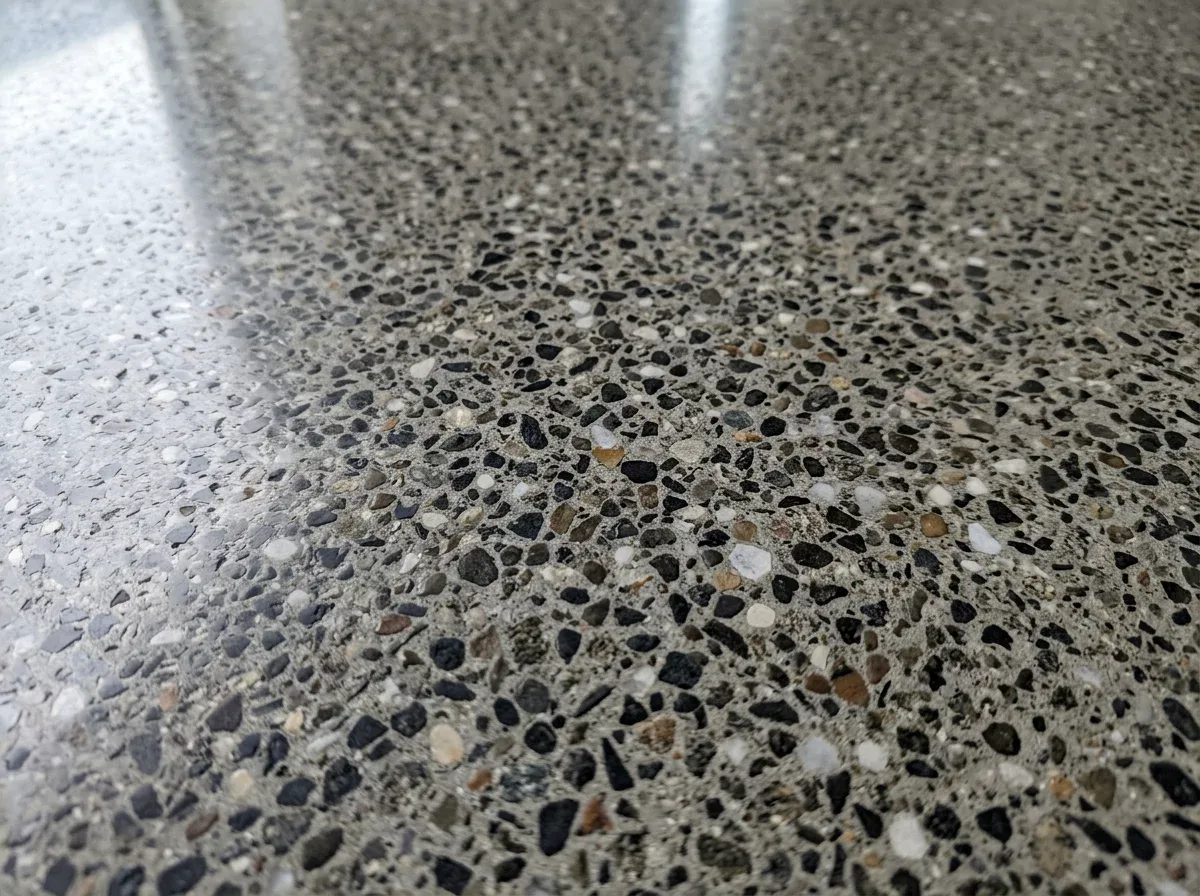
Concrete Floors in Hotel Service Areas and Kitchens
In short: The back of the hotel works nonstop, just like the lobby and rooms guests see: behind the kitchen, service corridors, laundry, storage rooms and staff areas.
These areas usually have concrete floors and are under heavy load. In this article, we look at concrete floors in service areas.
Challenges of Service Areas
Concrete floors in service areas are surfaces stressed at the same time by wheeled loads, oil, water and chemicals.
- Service carts and pallet jacks: Constant wheeled traffic wears down the top layer of the concrete; especially at turns and doorways, the surface begins to dust and break away.
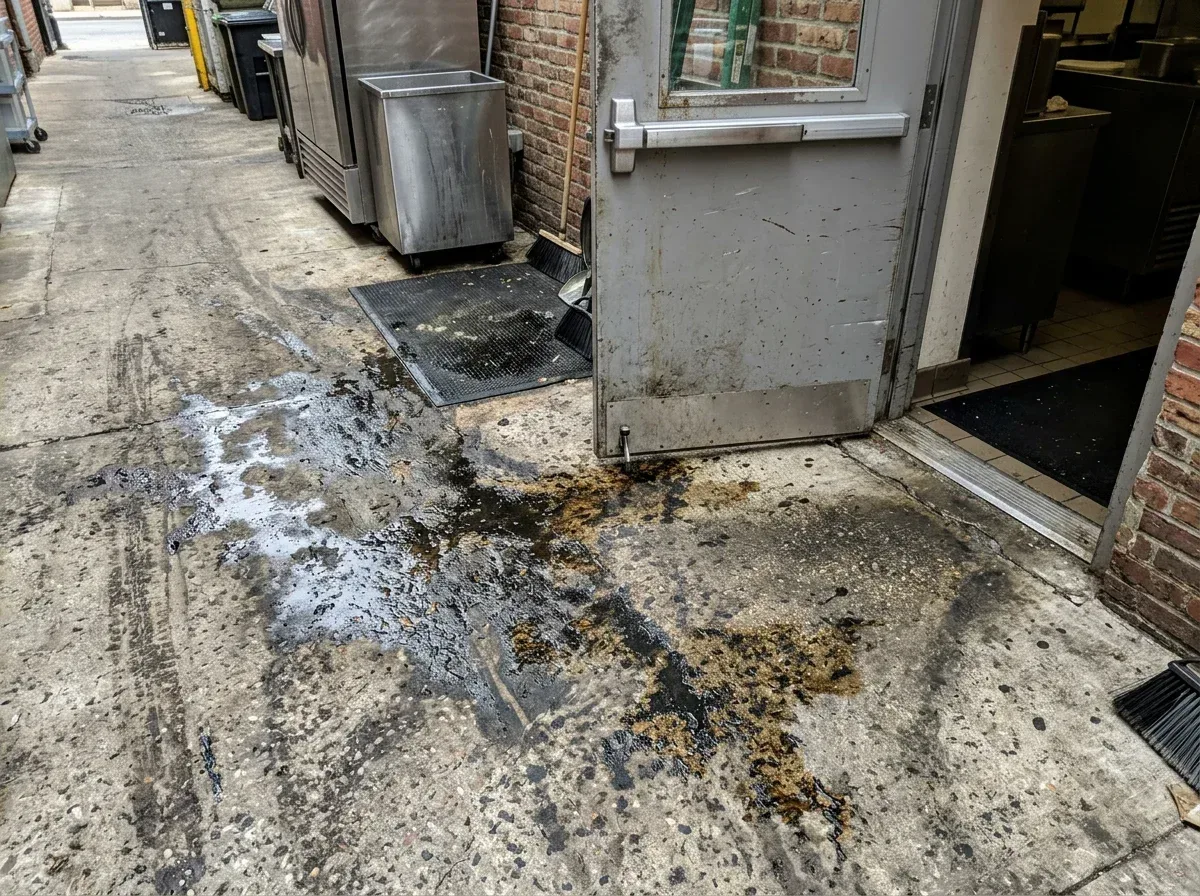
- Grease and food residue: Grease and food residue that fall around the kitchen soak into porous concrete, leaving stains and making the floor slippery.
- Water: In dishwashing, cleaning and laundry areas the floor gets wet often; water collects in pits and wears down weak concrete over time.
- Chemicals: As cleaning and laundry products spill onto the floor, they can weaken unprotected concrete surfaces and old coatings.
- Speed: In these areas, where staff move quickly with their hands full, a wet or greasy spot can easily cause a slip accident.

Common Problems
In neglected service-area concrete, problems usually appear as dusting, stains and surface breakage.
- Dusting and soiled concrete: As unprotected concrete wears, it produces fine dust; this dust is carried into kitchen and laundry areas, and the floor absorbs dirt easily.
- Grease stains and slippery zones: Grease that soaks into concrete leaves dark stains and forms a thin film on the surface, making the floor slippery, especially when wet.
- Pits that collect water: Water collects in pits formed by wear and breakage; these spots cause slipping, soiling and jolting of service carts.
- Broken joints and spalling: Wheel impacts break joint edges and tear pieces from the surface; if the damage is not repaired, it gradually widens.
- Peeling paint and coatings: Under load and chemical exposure, old paint or coatings peel in places, and the floor looks patchy and neglected.
Renewal by Concrete Grinding
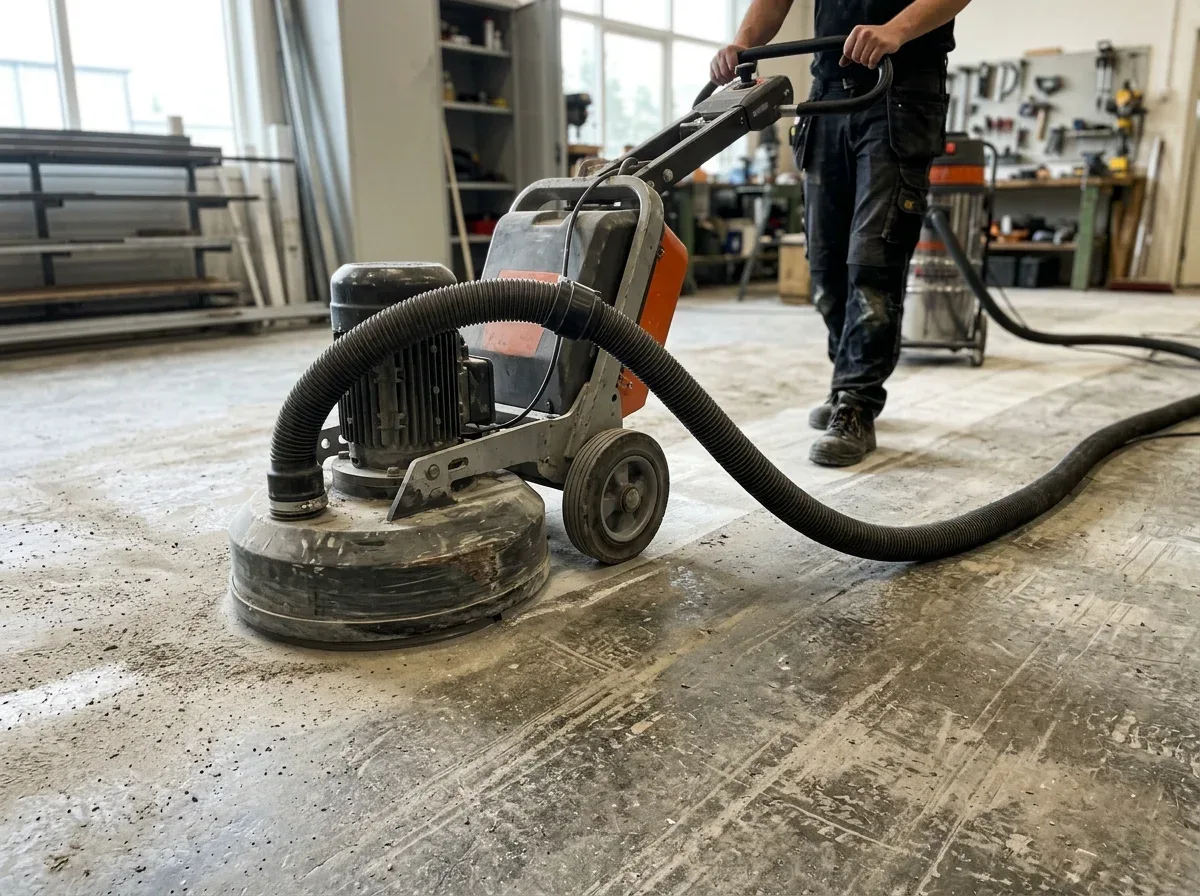
Renewing concrete by grinding proceeds in a set order, from removing the old coating to the final protection.
- Removal of the old coating: First, the old coating and paint residues are removed, so that repair and grinding can be done directly on sound concrete.
- Repair of pits, spalling and joints: Then pits, broken areas and cracked joints are filled with suitable repair materials to restore the surface's integrity.
- Leveling with coarse grinding: After the repairs harden, the surface is leveled with coarse grinding, the weak top layer is removed, and the repaired areas come to the same level as their surroundings.
- Strengthening with hardener: The hardener applied next penetrates the pores of the concrete, strengthens the surface and stops dusting.
- Suitable texture and protector: Finally, the job is completed by choosing a slip-resistant texture and an oil- and water-repellent protector according to how the area is used.
Slip Resistance
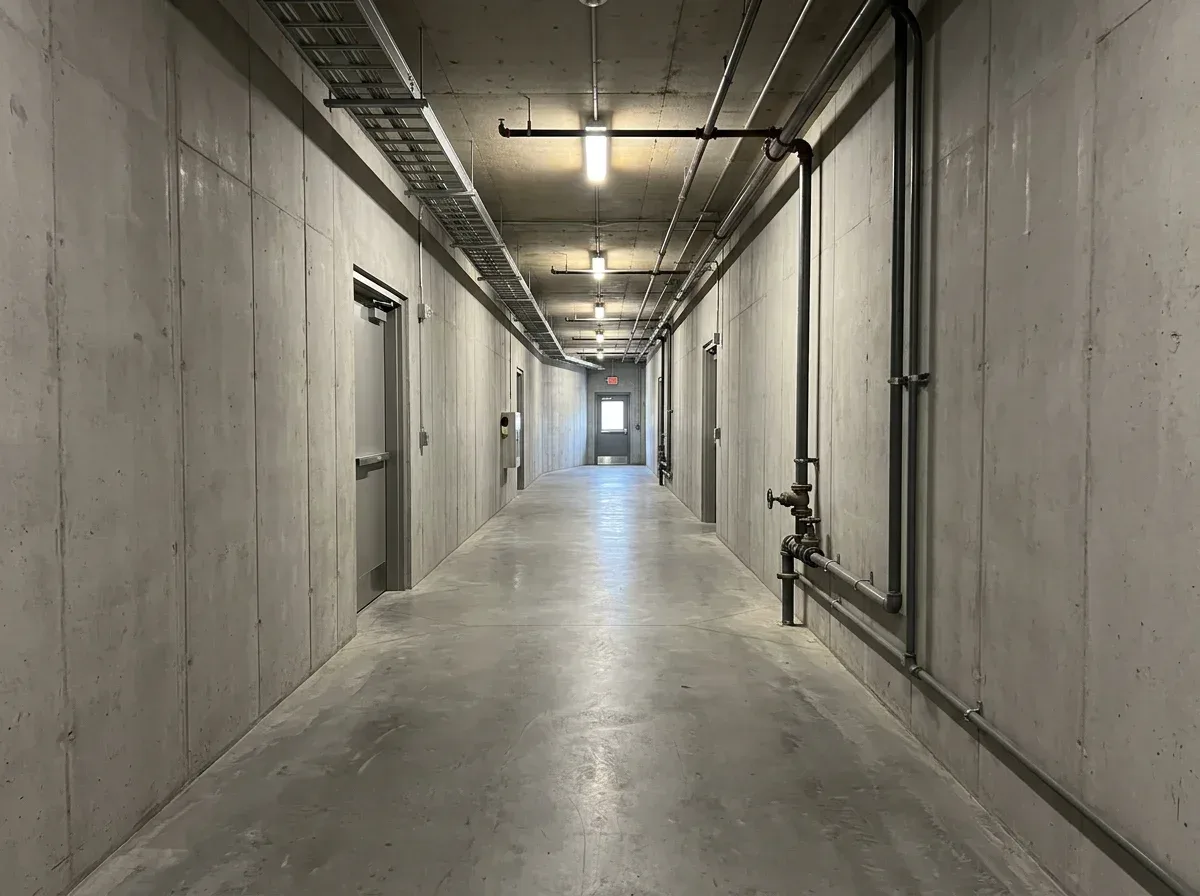
In service areas and kitchens, staff move quickly, have their hands full, and the floor is often wet or greasy. For this reason, instead of a glossy surface, a rough or semi-matte texture is left after grinding in these areas. Anti-slip mats should also be used in the wettest areas, such as in front of the kitchen door, the dishwashing room and the laundry. To keep grease from forming a film on the surface, degreasing products suitable for concrete should be preferred in daily cleaning.
Planning
Work in service areas is planned in advance, in periods and an order that will not disrupt the hotel's operation.
- Working in the off-season: In the off-season (November–March), kitchen and service traffic decreases, so grinding, repair and curing times can be completed comfortably.
- Working section by section: Work is done while the kitchen is closed or with the area divided into sections; this way service does not stop completely and hygiene zones are protected.
- Moving equipment: If it is decided in advance where and when the shelves, machines and equipment in storage and the laundry will be moved, no time is lost on the work day.
Recommendations by Area
| Area | Main problem | Recommendation |
|---|---|---|
| Behind the kitchen | Grease, water, slipping | Grinding, hardener, rough texture, stain protector |
| Service corridor | Cart traffic, dusting | Troweling, hardener, semi-matte |
| Laundry room | Water, chemicals | Hardener, non-slip texture, drain control |
| Storage rooms | Pallet jacks, dust | Troweling, hardener |
| Staff areas | Dirt, wear | Troweling, an easy-to-clean surface |
Why Do Back Areas Matter Too?
Although the back areas of a hotel are places guests never see, much of the hotel's operation takes place there. Dusting concrete carries dust into food and laundry areas; slippery floors increase the risk of workplace accidents; pitted and cracked floors shorten the life of service carts and their wheels. Kitchen and service area floors are also evaluated during hygiene inspections. A durable, easy-to-clean, dust-free concrete floor improves both safety and efficiency in these areas.
Daily Maintenance
The lifespan of a renewed concrete floor depends on a few simple habits that the kitchen and service teams follow every day.
- Wash with a degreaser at closing: If the floor is washed at kitchen closing with a degreaser suitable for concrete, the grease that has built up during the day is removed before it soaks into the concrete.
- Clean up spills right away: If grease and food spills are not cleaned up right away, they leave stains and create a slip risk in spots where staff walk quickly.
- Clean drains and grates: Clogged drains and grates cause water to pool on the floor; regular cleaning ensures that water drains away quickly.
- Check the wheels: Hardened, cracked, or grit-embedded wheels scratch the concrete and chip the joint edges, so they should be checked regularly and replaced.
Service Areas in Alanya Hotels
In hotels in Alanya, we usually renew the concrete floors behind kitchens, in service corridors, and in laundry rooms during the off-season. First we remove old paint and coating residues and carry out repairs, then we achieve a dust-free, durable surface with troweling and hardener. In wet areas we prioritize slip resistance, and we work section by section according to the hotel's operations.
Maintenance

In kitchen and service areas, oil, water, and heavy traffic all come together, so concrete floors need daily maintenance.
- Removing oil at the end of the day: Oil spilled during the day soaks into the concrete overnight; if it is removed at the end of the day, no permanent stains or slipperiness develop.
- Cleaners suitable for concrete: Unsuitable harsh degreasers can erode the surface; products made for concrete remove oil without wearing down the floor.
- Keeping drainage clear: Drains clogged with oil and food residue leave water standing on the floor; when they are kept clear, the surface dries quickly and stays slip-resistant.
- Checking joints and repairs: Heavy carts and impacts put stress on joints and repaired areas; regular inspection catches small breakages before they grow.
Our Concrete Grinding Service in Alanya

We grind concrete floors in warehouses, factories, car parks, shops and homes and strengthen them with a hardener, creating a dust-free surface that is easy to clean. Depending on the look you want, we apply a matte, satin or glossy finish.
We inspect the age and condition of your floor on site and decide on the right method together with you. Explore our Concrete Grinding service.
In kitchen back areas and wet areas, the surface is not left glossy; a suitable texture is targeted for slip resistance. In places where oil and water are present, regular cleaning is the most important part of slip resistance. — Expert Note
Frequently Asked Questions
01Is concrete grinding hygienic on a kitchen floor?
02Do grease stains come out completely?
03Can it be done during the season?
04Is the service corridor polished?
05How long does grinding a service area take?
06Can concrete grinding be done if the kitchen floor has old tiles?
Related Articles
- Natural Stone Maintenance in Hotels: Lobby, Corridors and Pool Surroundings
- Hotel Pre-Season Floor Renovation Plan
- Removing Oil and Paint Stains from Concrete Floors
- Concrete Flooring in Cold Storage and Food Facilities
- What Is Concrete Grinding and How Is It Done? Turning Dusty Concrete into a Glossy Floor