Concrete Floors in Cold Storage Warehouses and Food Facilities
In short: Citrus, banana and vegetable packing plants and cold storage warehouses are common in and around Alanya.
In these facilities, the concrete floor faces moisture, fruit acids, cleaning chemicals and forklift traffic all at the same time. In this article, we explain the condition of concrete floors in these demanding environments and the renewal options.
Demanding Conditions
In food facilities, the concrete floor is stressed by moisture, acid, chemicals, cold and heavy traffic at the same time; this load is far heavier than in ordinary warehouses.
- Constant moisture: Washing, defrosting and product juice almost never let the floor dry; concrete that stays damp all the time weakens over time and becomes slippery.
- Fruit acids: The juice of citrus and similar products erodes concrete; where spills occur, the surface becomes rough and starts to hold dirt.
- Cleaning chemicals: The frequent and strong cleaning carried out for hygiene, especially with acidic products, wears down the top layer of the concrete a little more with every wash.
- Cold and condensation: In cold rooms, temperature differences cause condensation and icing on the floor; in front of doors, this cycle wears the concrete down faster.
- Forklift and pallet truck traffic: The wheels of loaded forklifts and pallet trucks keep rolling along the same lines; on these lines, wear and chipping at the joint edges are seen.
- Hygiene requirements: In food facilities, the floor must be easy to clean and must not hold dirt; a rough, cracked or water-retaining surface can cause problems during inspections.

Problems Seen in Concrete Floors
Under these conditions, typical problems that affect both strength and hygiene appear in the concrete floor over time.
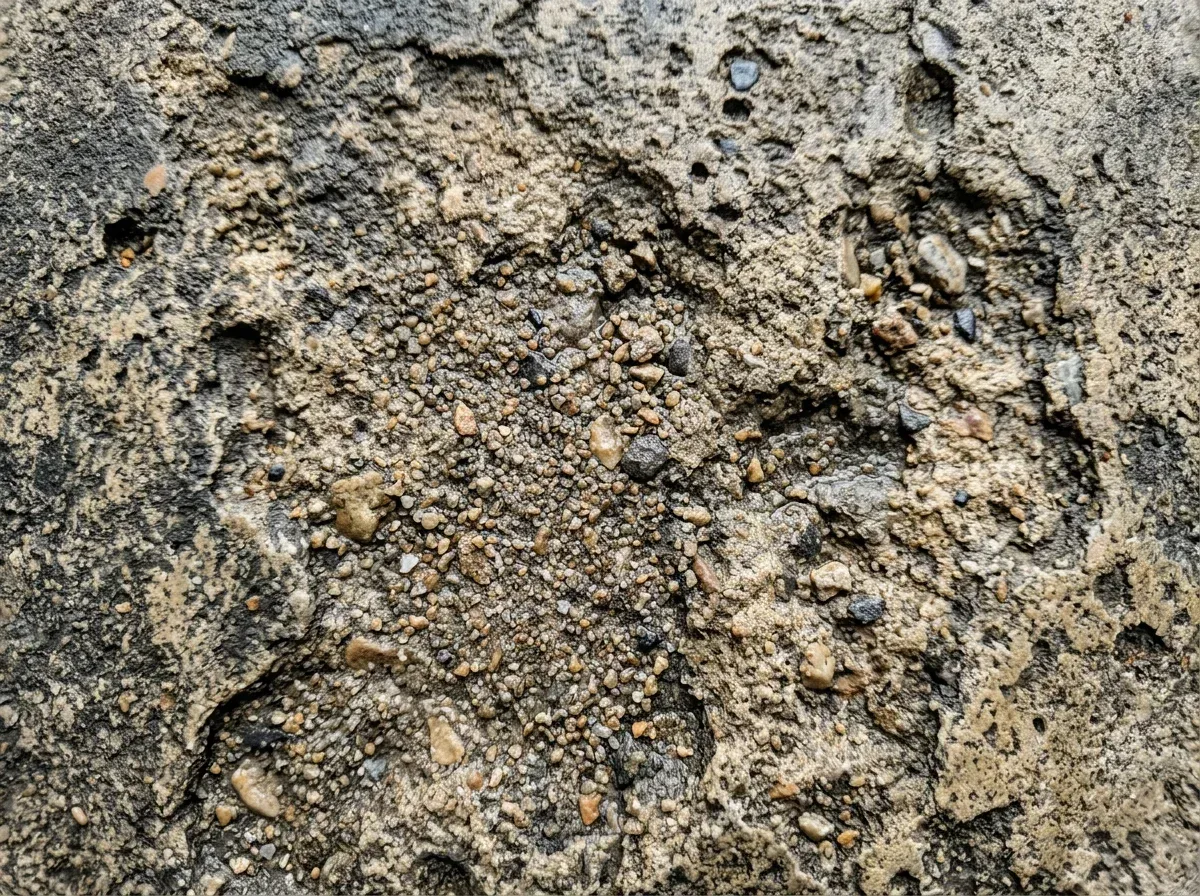
- Dusting and crumbling: The weakened top layer crumbles under traffic and dust rises; this dust can reach products, packaging and machinery.
- Acid-induced wear: Fruit juice and acidic cleaners dissolve the cement binder of the concrete; the surface becomes rough and aggregate particles are exposed.
- Joint deterioration and water pooling: Deteriorated joints and sunken areas hold water; standing water seeps into the concrete, creating a slip risk and a hygiene problem.
- Chipping and potholes: Joint edges and weak areas hit by forklift wheels break off; as the resulting potholes grow, they also jolt the transport vehicles.
- Dirt-holding surface: Concrete that has become rough and porous traps dirt; no matter how much it is washed, it does not look clean and cleaning requires more effort.
What Does Concrete Grinding Provide?
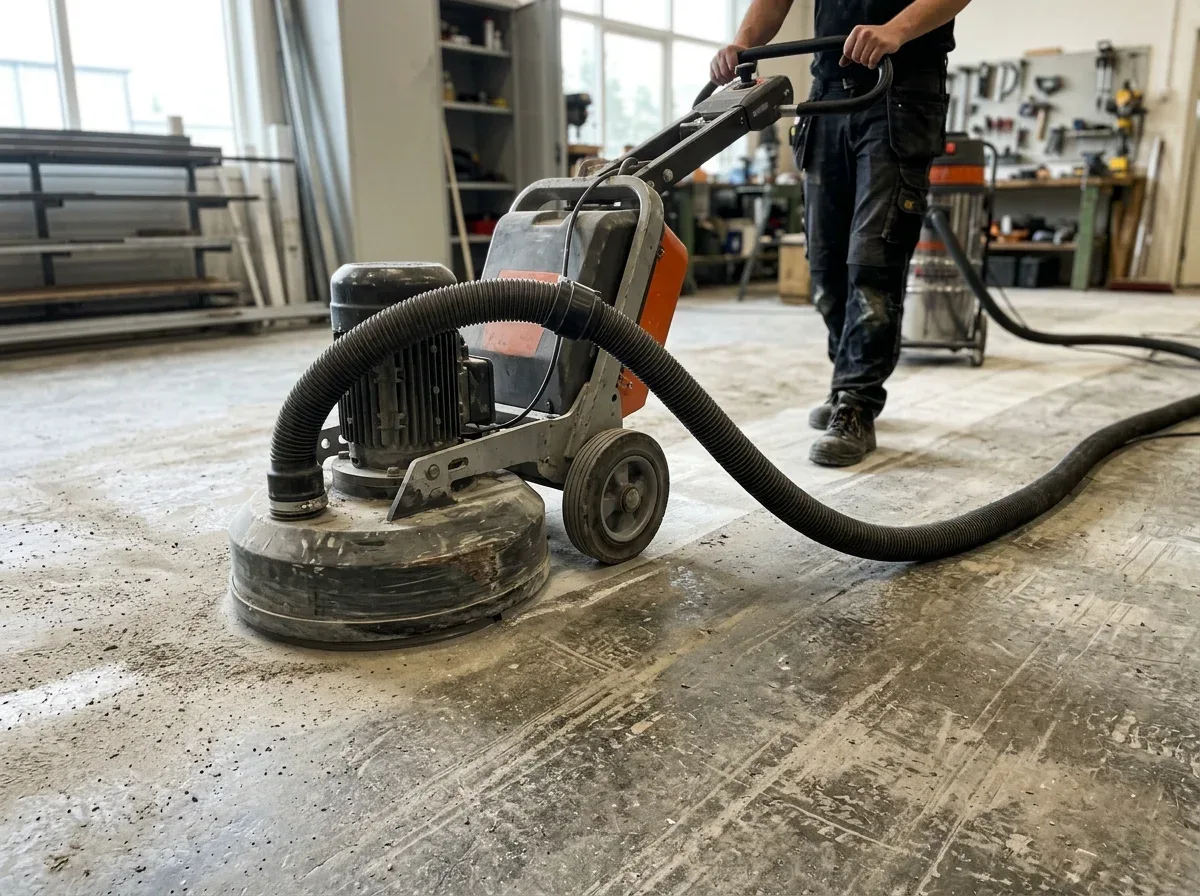
Concrete grinding removes the worn surface and hardens the concrete, producing a denser, dust-free and easy-to-clean floor.
- The weak layer is removed: The worn top layer, weakened by acid and traffic, is removed with diamond abrasives; the sounder concrete underneath is exposed.
- Strengthening with hardener: The surface is strengthened with a hardener and dusting is stopped; the product penetrates the pores of the concrete and makes the surface more durable.
- Easy-to-clean surface: A denser and easier-to-clean surface is obtained; because dirt and liquids penetrate the pores less, washing takes less time.
- Reduced water pooling: Together with repairs, spots where water collects can be reduced; once potholes and damaged joints are filled, water flows toward the drain.
Limitations
Although concrete grinding does a lot of good in food facilities, it may not be sufficient on its own in every environment; knowing its limits makes it easier to make the right decision.
- Areas exposed to acid and chemicals: In areas constantly exposed to acid and strong chemicals, concrete can still wear down; grinding slows this wear but does not stop it completely.
- Slip resistance in wet areas: In wet areas, slip resistance takes priority over shine; the surface is not polished and is left with a texture that provides grip even when wet.
- Special flooring systems: Some food production areas may require special flooring systems; in this case, the right solution is determined according to the facility's requirements.
Working in Cold Rooms
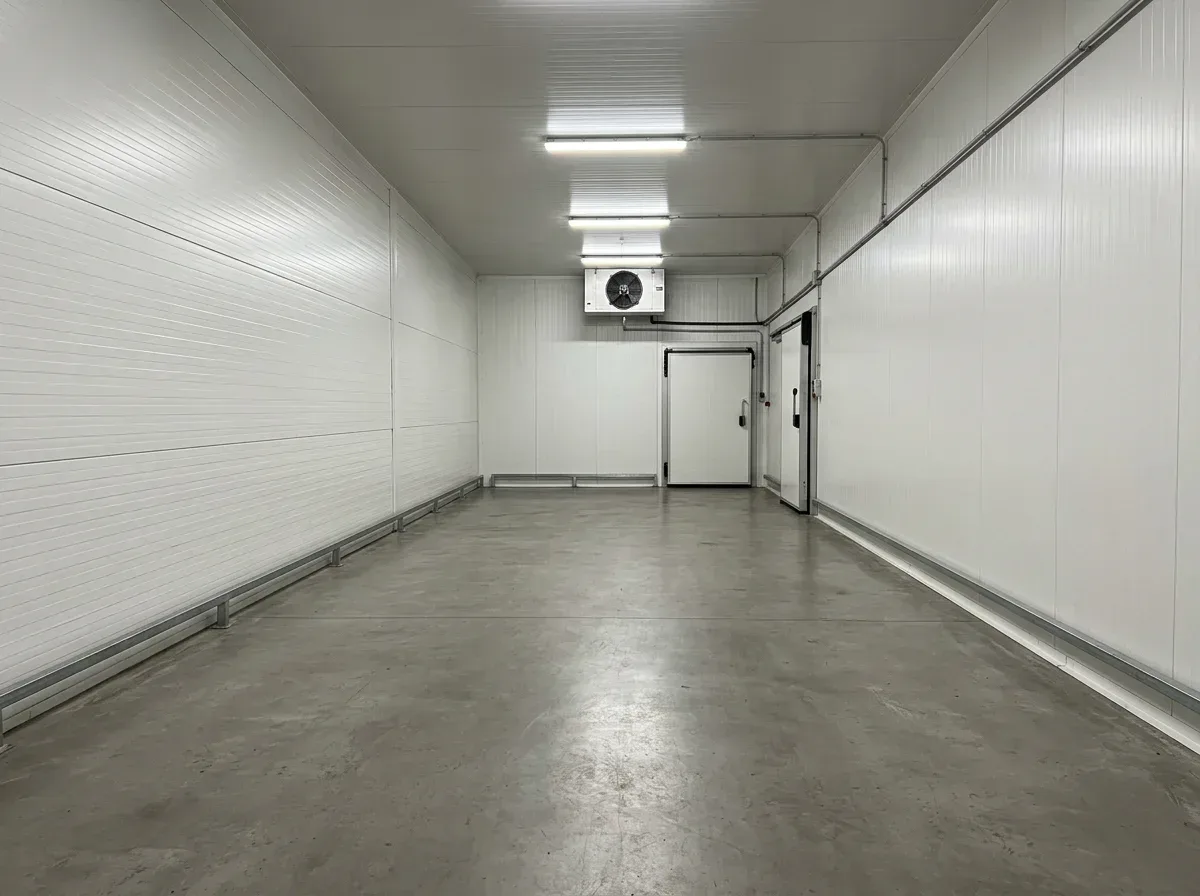
For concrete grinding to be carried out in cold rooms, the room's cooling must be switched off, the room must warm up, and the ice and moisture on the floor must disappear completely. Hardeners and protectors applied to cold, damp concrete do not work properly. For this reason, the work is planned for the facility's maintenance period or a time when product flow has stopped. The rooms are emptied one by one and the work is done section by section; once the curing time has passed, the finished room is gradually cooled again.
Approach by Area
| Area | Main problem | Recommendation |
|---|---|---|
| Packing hall | Water, fruit acid, traffic | Grinding, hardener, non-slip texture, stain protector |
| Cold room | Condensation, forklift | Troweling and hardener, joint repair |
| Loading ramp | Impact, water | Repair, rough surface |
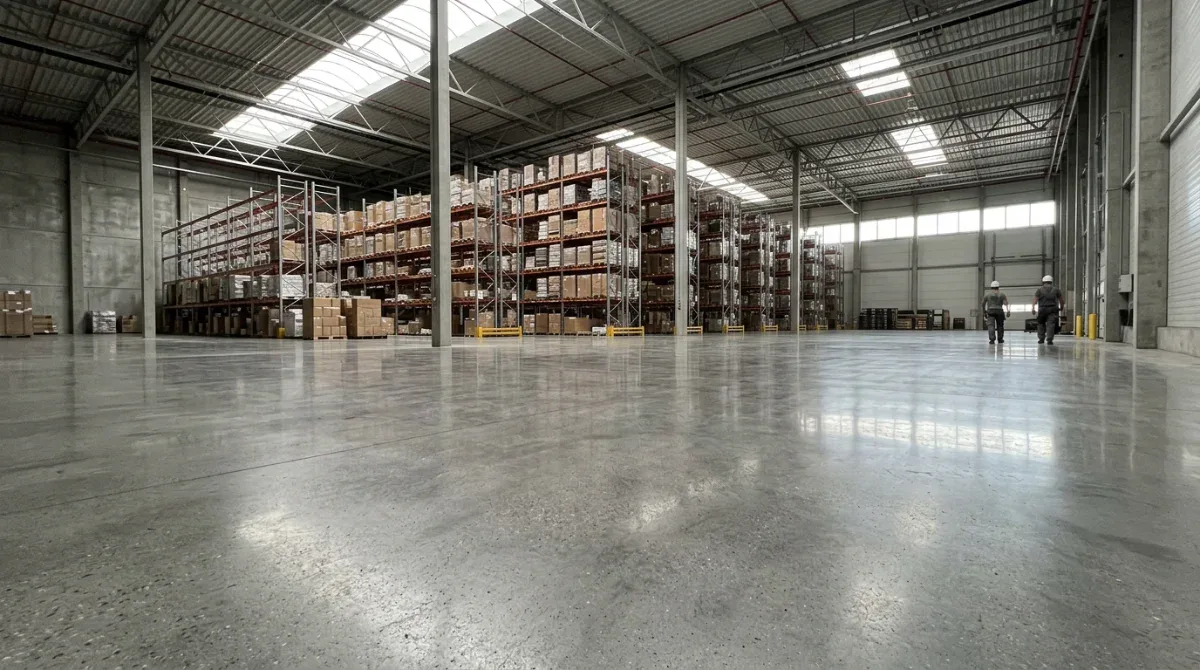
| Warehouse aisles | Dusting, wear | Troweling, hardener, semi-gloss |
Cleaning Precautions
Frequent and intensive cleaning is essential for hygiene in food facilities. However, acidic cleaners erode the concrete surface and over time leave a rough surface that traps dirt. Whenever possible, neutral or mildly alkaline products suitable for concrete should be preferred; if an acidic product must be used, the floor should be rinsed thoroughly with plenty of water afterwards. Fruit juice and product spills should be washed off without delay, and drains should be cleaned regularly to prevent water from pooling on the floor.
For Facility Managers
A few preparations made in advance by the facility manager ensure that the floor work is carried out without disrupting production and with the right products.
- Choose the right time: Schedule floor work for the end of the season or the facility's maintenance period; while product flow continues, it is not possible to empty and dry the cold rooms.
- Mark the areas where water collects: Mark the areas where water collects in advance; this makes them easier to spot during the site survey, and repairs and slope correction can be added to the work plan.
- Share the chemical list: Share the list of cleaning chemicals used with the contractor; the hardener and protectant are selected so that they withstand these products.
- Check the forklift wheels: Check that the forklift wheels are suitable for the floor; worn or hard wheels can quickly damage the renewed surface again.
- State the hygiene requirements: State the hygiene inspection requirements in advance; the surface texture, joint filling, and the products to be used are selected according to these requirements.
Facilities in Alanya
In citrus and banana packing facilities in and around Alanya, floor work cannot be paused during the busy months of the season. For this reason, we generally schedule concrete troweling and repair work for the end of the season or the facility's short maintenance periods. In wet areas, we prioritize slip resistance over gloss, and with hardener and stain protectant we achieve a surface that is easy to clean and does not dust.
Maintenance

- Rinsing off fruit juice and acidic spills quickly,
- Using cleaning products suitable for concrete,
- Keeping joints filled,
- Making sure water drainage works properly.
Our Concrete Grinding Service in Alanya

We grind concrete floors in warehouses, factories, parking lots, shops, and homes, then strengthen them with a hardener to create a dust-free, easy-to-clean surface. Depending on the look you want, we apply a matte, satin, or glossy finish.
We inspect the age and condition of your floor on site and determine the right method together with you. Explore our Concrete Grinding service.
If sanding (honing) is to be carried out in a cold room, the room must be brought to a suitable working temperature and emptied. This planning is done according to the facility's season. — Expert Note