Preparing for Marble Honing: Furniture, Dust and Timing
In short: The quality of polishing doesn't depend only on the machine and the craftsman; good preparation speeds up the work, improves the result and protects your home.
In this article, we cover what needs to be done before polishing, what the crew usually takes care of, and how you can plan the timing, in the form of a checklist.
What to Discuss Before Starting the Work
Clarifying the following points during the site survey prevents surprises on the day of the job:
- Areas to be polished: Deciding in advance which rooms, hallways and steps will be polished ensures that both the quote and the work plan are accurate.
- Who will move the furniture: If it isn't clear whether the homeowner or the crew will move the furniture, the start on the day of the job can be delayed by hours.
- Working hours and duration: Knowing what hours the crew will work and how many days the job will take makes it easier to plan your household routine and relations with neighbors.
- Crystallization or impregnation: Whether crystallization or impregnation will be applied after polishing changes both the duration and the materials, so it should be discussed during the survey.
- Continuing to live at home: If you will keep living at home, the order of the rooms is planned accordingly and the use of areas such as the kitchen and bathroom is arranged.
Furniture
Area to Be Cleared
Items touching the floor in the rooms to be polished should be removed as far as possible. The machine must work all the way up to the wall edges; a sofa left in the middle means the floor beneath it is not polished and will look different later.
Items That Cannot Be Moved
If built-in cabinets, heavy display cases or large furniture cannot be moved, this should be mentioned in advance. In such cases, the item is moved to an already polished section of the room, the remaining section is polished, and the item is moved back. This process extends the duration.
Rugs and Fragile Items
Rugs should be rolled up and moved to another room. Vases, frames and fragile items on low shelves should be kept away from machine vibration and cables.
Dust and Water Protection
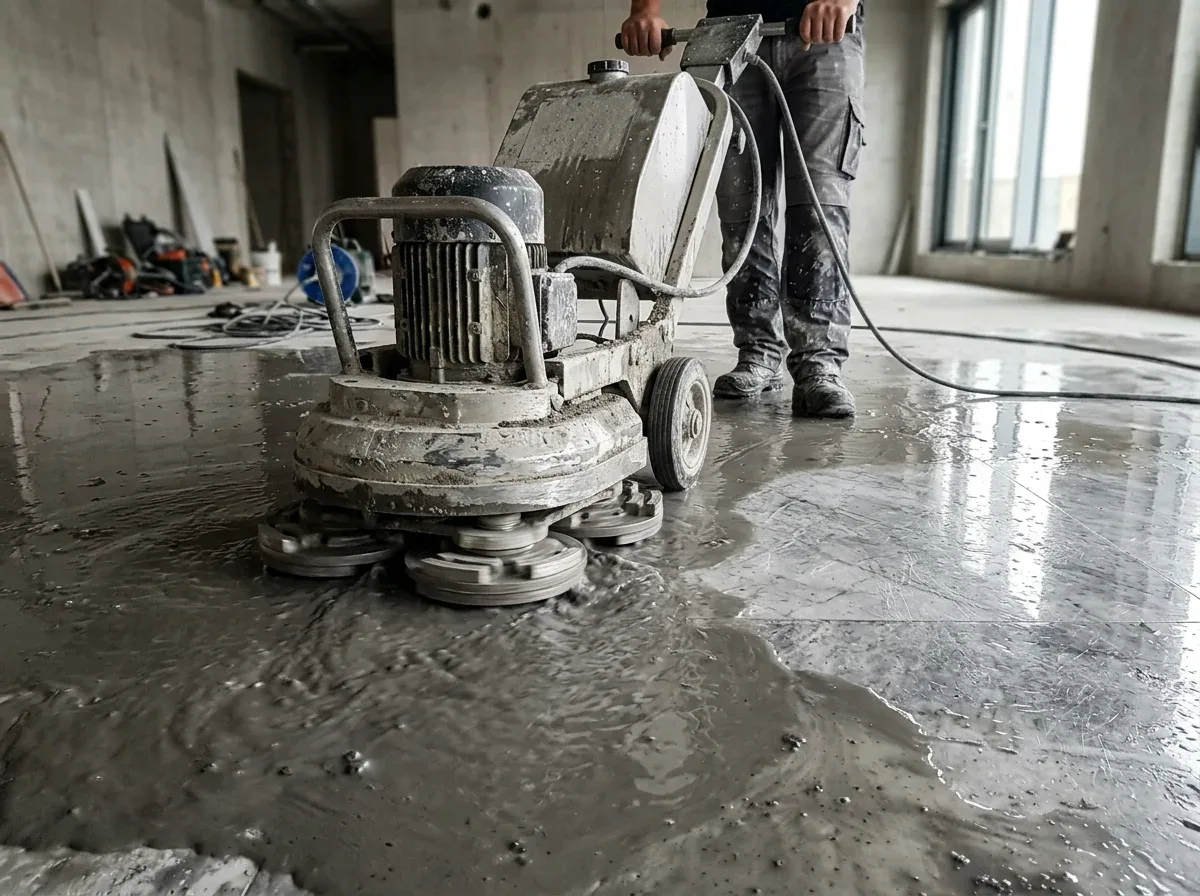
There is very little dust with wet polishing; however, water and mud may splash.
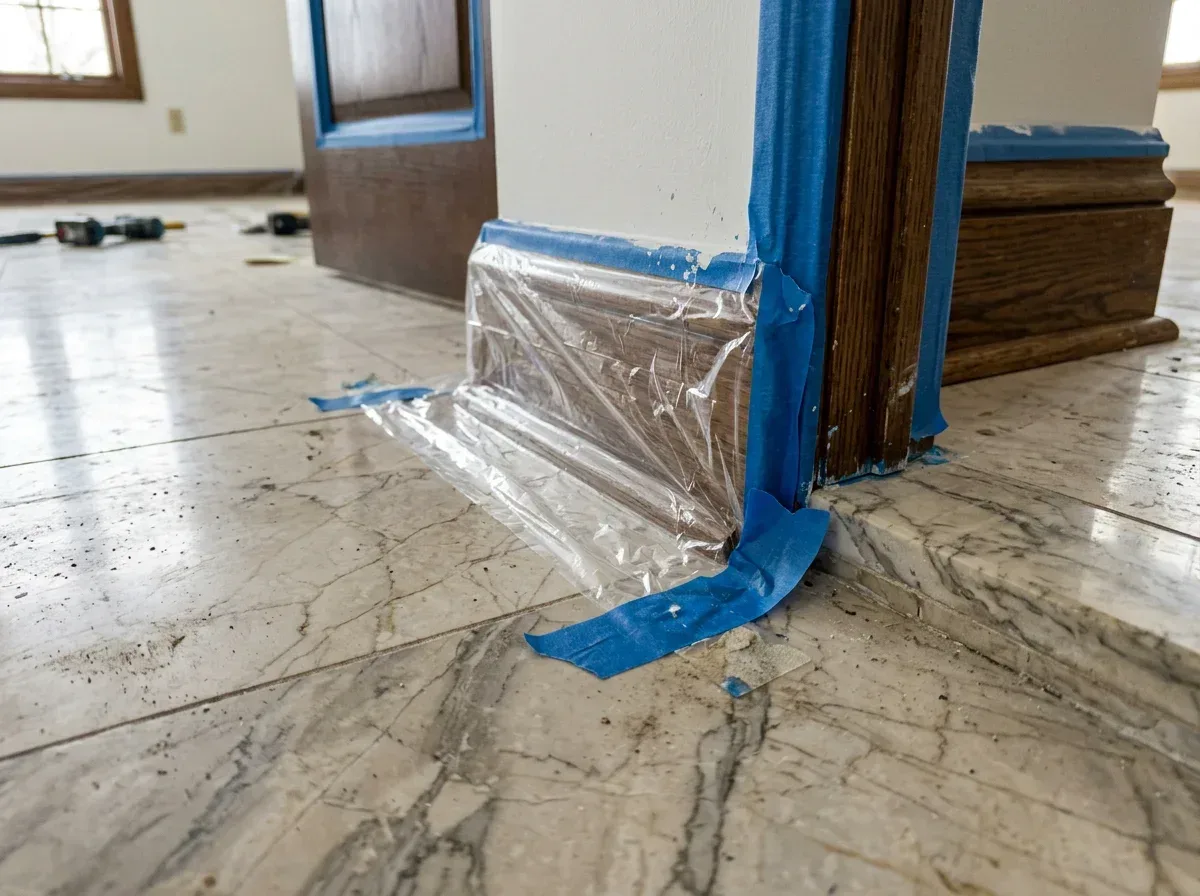
- Baseboards and wall edges: Wooden baseboards, door frames and lower cabinet doors are protected with tape and plastic sheeting.
- Outlets: Outlets close to the floor are covered so that water and mud splashing during polishing do not reach the electrical installation.
- Wood and parquet transitions: Parquet or laminate flooring where the marble ends should be especially protected; it is sensitive to water.
- Rug edges and curtains: Rug edges and fabric curtains are lifted off the floor or tied up; otherwise they can absorb muddy water and become stained.

This protection is mostly done by the polishing crew; however, it is important for the homeowner to mention in advance any areas they particularly want protected.
Electricity and Water
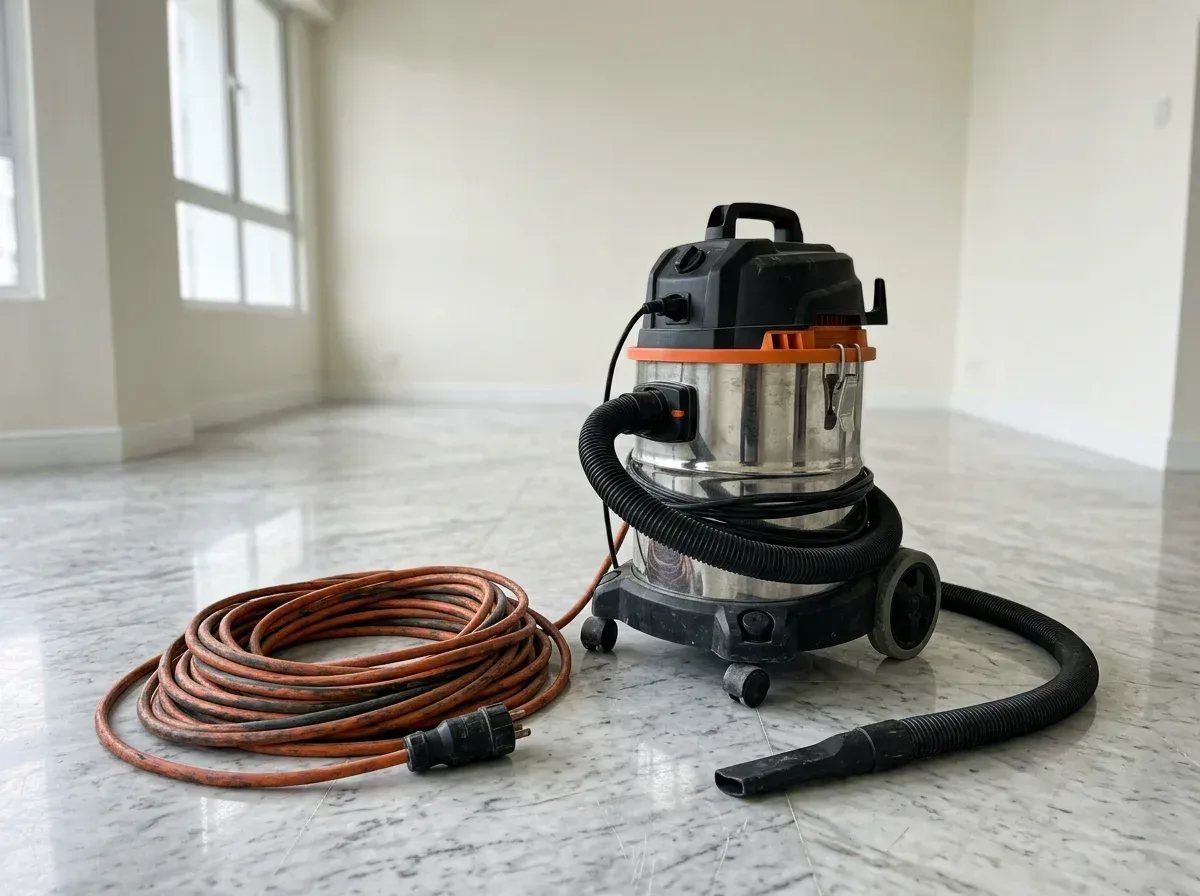
- Strong electrical connection: Polishing machines require a strong electrical connection. The location of the fuse box should be shown to the crew; if a fuse trips, the work continues without waiting.
- Water source: A nearby tap or bathroom is used for wet polishing; if it is known where the water will be drawn from, hoses won't wander unnecessarily around the house.
- Wastewater disposal: Mud and wastewater are collected by vacuum; where it will be discharged should be determined in advance.
Pets and Children
Polishing machines are heavy and powerful; cables, water hoses and wet floors are present in the room during the work. For this reason, children and pets must be kept away from the work area. Cats and dogs may be disturbed by the noise of the machine; if possible, it is best for them to stay in another room or outside the house on work days. Also remember that a paw stepping on a wet, muddy floor can track marks into other rooms of the house. On the first day after polishing, keep in mind that pets' claws can scratch the freshly polished floor.
Neighbors and the Apartment Building
If the work will be done in an apartment building:
- Informing management and neighbors: If management and neighbors are informed of the work days in advance, the machine noise and the use of common areas are accepted without turning into complaints.
- Complying with quiet hours: Since polishing machines make noise, the building's quiet hours are observed; if necessary, the job is planned in stages over several days.
- Elevator and common areas: Protecting the elevator and common areas while equipment is carried prevents scratches and mud marks from being tracked to the building entrance.
These three steps are important for good relations with neighbors.
How to Plan the Duration?
The duration varies depending on the size of the area, the condition of the floor, the number of grit stages, the need for repairs and the edge work. As a general idea:
- Small bathroom or entrance: A small bathroom or entrance can be finished in a single day; even if the area is small, edge and corner work determines the duration.
- The whole apartment: An entire apartment can take several days; the number of rooms, the state of the furniture and the starting grit stage of the floor change the duration.
- Repair and drying: Repairs, fillings and other work that has to wait for drying can add extra days; the next stage is not started until the filler has hardened.
The exact duration is given at the site survey, after the floor has been seen. If there are dates involved, such as a move, guests or a rental, mentioning them upfront makes planning easier.
How Does a Polishing Day Go?
The schedule below summarizes a typical polishing day in a furnished apartment. Every job is different, but knowing the order makes it easier to plan your day:
| Stage | What is done? | What is expected of you |
|---|---|---|
| Arrival and inspection | The area is walked through together and the areas to be protected are identified | Pointing out delicate items and areas |
| Protection | Baseboards, cabinets and parquet transitions are taped off | Showing the fuse box and the water point |
| Coarse and medium stages | Level differences and scratches are removed, and fillings are applied | Not entering the room being worked on |
| Fine stages and polishing | The shine is created and the edges are finished by hand | — |
| Cleaning and handover | The slurry is collected, the protection is removed, and the floor is inspected together | Reviewing the result together |
Short Checklist
To make sure polishing day goes smoothly, completing a few basic preparations beforehand both speeds up the work and protects your home.
- Have small items been removed: If small items, rugs and fragile objects are removed from the rooms to be polished, the machine can work comfortably right up to the walls.
- Have large furniture pieces been reported: If large furniture that cannot be moved is reported to the team in advance, a separate work sequence is planned for the areas around and underneath it.
- Are the fuse box and tap identified: If the fuse panel and the tap to draw water from are known beforehand, the team can set up the machines and start work as soon as they arrive.
- Have parquet transitions been discussed: If parquet and wood transitions are discussed with the team, how to protect these water-sensitive surfaces is settled before work begins.
- Have the neighbors been informed: Informing the building management and neighbors prevents the work from being interrupted due to noise and use of common areas.
- Pet and child arrangements: If an arrangement is made for pets and children on working days, cables, hoses and the wet floor will not pose a risk to anyone.
- Do you know the first 48 hours: Not laying rugs and not doing wet cleaning in the first 48 hours after polishing allows the stone to dry and the applied protection to settle.
If Your Holiday Home Is in Alanya and You Are Away
Many homes in Alanya are owned by people who live out of town or abroad for most of the year. In this case, polishing can also be scheduled while the owner is absent: the key handover, moving and protecting belongings, and an update with photos and video at the end of the job are agreed in advance. An arrangement should also be made for airing the home for a few days after polishing, not laying rugs immediately, and not covering the home with sheets; otherwise the moisture inside the stone cannot escape and marks may remain under the covers.
Work Day Checklist

- [ ] Items in the rooms to be sanded have been cleared out
- [ ] Rugs have been removed
- [ ] Fragile items have been moved away
- [ ] The crew knows where the electricity and water points are
- [ ] Parquet transitions and wooden surfaces will be protected
- [ ] A separate area has been arranged for children and pets
- [ ] Building management and neighbors have been informed
- [ ] It has been discussed when the rugs will be laid back down after completion
Our Marble Grinding Service in Alanya

We restore marble floors that have become dull, scratched, or uneven between slabs using wet grinding, which keeps dust under control. From coarse grinding through to polishing, we choose each stage according to the type of stone and, if needed, carry out crack and joint repairs as part of the same job.
We inspect your floor on site and tell you clearly whether it needs grinding or just polishing. Explore our Marble Grinding service.
Watch the Process on Video
Footage from our natural stone surface restoration work on a prepared area.
Machines, cables and wet floors pose a risk to children and pets. They should be kept out of the work areas and, if possible, stay in another room or outside the home for the duration of the work. — Expert Note
Frequently Asked Questions
01Can I stay at home during the sanding?
02Does the crew move the furniture?
03Does sanding create a lot of dust?
04Can I put my belongings back right after the sanding is finished?
05Do I need to completely empty the house for sanding?
06Are the water and electricity shut off during sanding?
Related Articles
- The First 48 Hours After Honing: What to Watch Out for on Marble Floors
- Can Floor Honing Be Done While You Are Living in the Home?
- Honing in an Apartment Building: Noise, Working Hours and Neighbors
- Slurry Management and Cleanup in Wet Honing
- What Is Marble Honing and How Is It Done? A Guide for Your Home's Floors